


kscarbel2
-
Posts
19,178 -
Joined
-
Days Won
115
Content Type
Profiles
Forums
Gallery
Events
Blogs
BMT Wiki
Collections
Store
Everything posted by kscarbel2
-
Geez
-
Julian Borger, The Guardian / July 16, 2019 The US House of Representatives has called for an investigation into whether the spread of Lyme disease had its roots in a Pentagon experiment in weaponising ticks. The House approved an amendment proposed by a Republican congressman from New Jersey, Chris Smith, instructing the defence department’s inspector general to conduct a review of whether the US “experimented with ticks and other insects regarding use as a biological weapon between the years of 1950 and 1975”. The review would have to assess the scope of the experiment and “whether any ticks or insects used in such experiment were released outside of any laboratory by accident or experiment design”. The amendment was approved by a voice vote in the House and added to a defence spending bill, but the bill still has to be reconciled with a Senate version. Smith said the amendment was inspired by “a number of books and articles suggesting that significant research had been done at US government facilities including Fort Detrick, Maryland, and Plum Island, New York, to turn ticks and other insects into bioweapons”. A new book published in May by a Stanford University science writer and former Lyme sufferer, Kris Newby, has raised questions about the origins of the disease, which affects 400,000 Americans each year. Bitten: The Secret History of Lyme Disease and Biological Weapons, cites the Swiss-born discoverer of the Lyme pathogen, Willy Burgdorfer, as saying that the Lyme epidemic was a military experiment that had gone wrong. Burgdorfer, who died in 2014, worked as a bioweapons researcher for the US military and said he was tasked with breeding fleas, ticks, mosquitoes and other blood-sucking insects, and infecting them with pathogens that cause human diseases. According to the book, there were programs to drop “weaponised” ticks and other bugs from the air, and that uninfected bugs were released in residential areas in the US to trace how they spread. It suggests that such a scheme could have gone awry and led to the eruption of Lyme disease in the US in the 1960s.
-
Exactly. Paul told us in May 2018: "Things have been very crazy of late and very unsure of what the future will bring We sold our sugar cane farm in north Queensland after many years of trying and the wife and I decided we would take some time off and travel around a bit on a working holiday till we decide what we want to do" With such a huge change in Paul's life, it's no wonder he became less active. But he still loves us and we all love him. https://www.bigmacktrucks.com/topic/53404-mrsmackpaul/?tab=comments#comment-399268 I am hoping that Billy is well. Never a kinder fellow.
-
Truck News / July 16, 2019 LISLE, Illinois – Navistar has enhanced its dealer resources by launching an engineering hotline. The hotline will provide International dealers with direct, rapid access to the product experts who designed the vehicles. The hotline can be reached through a simple phone call from any International dealer. Calls are immediately directed to an application engineer who listens to the dealer’s request and offers support. During a pilot phase conducted earlier this year, the hotline quickly amassed well over 100 calls from dealers, the company said. Typical phone calls ranged from general questions on severe service truck configurations to advanced, application-specific questions from customers.
-
Trans INFO / July 11, 2019
-
Paul is a great example. His life has had some changes down in Oz and he doesn't have as much free time as he did for a period. So yes, we hear from Paul less than before (I miss his great videos), but it's not because he's upset with anything at BMT.
-
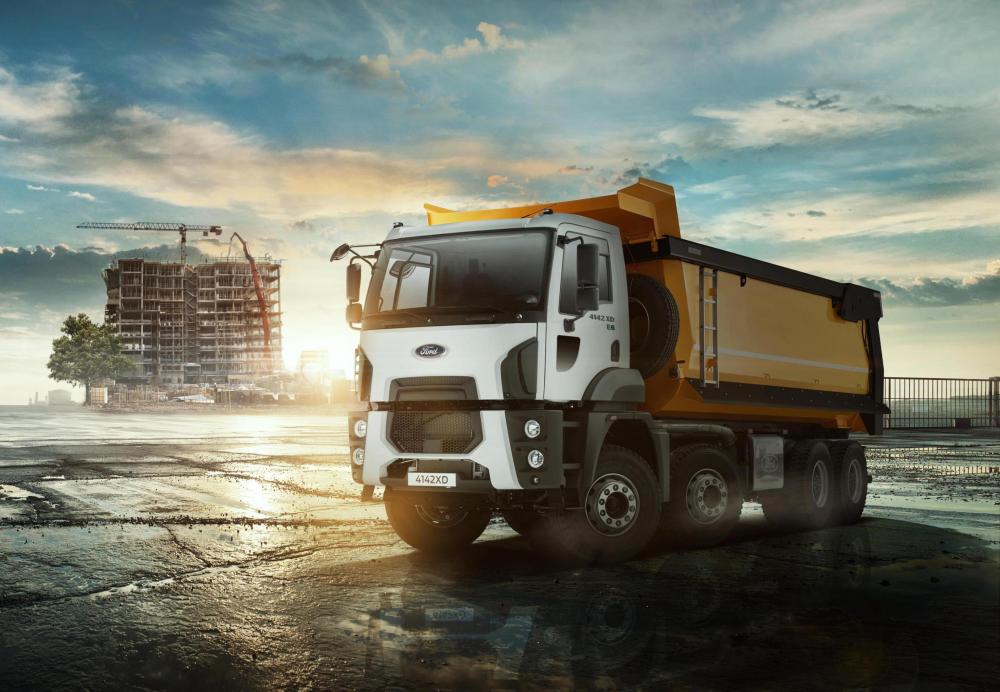
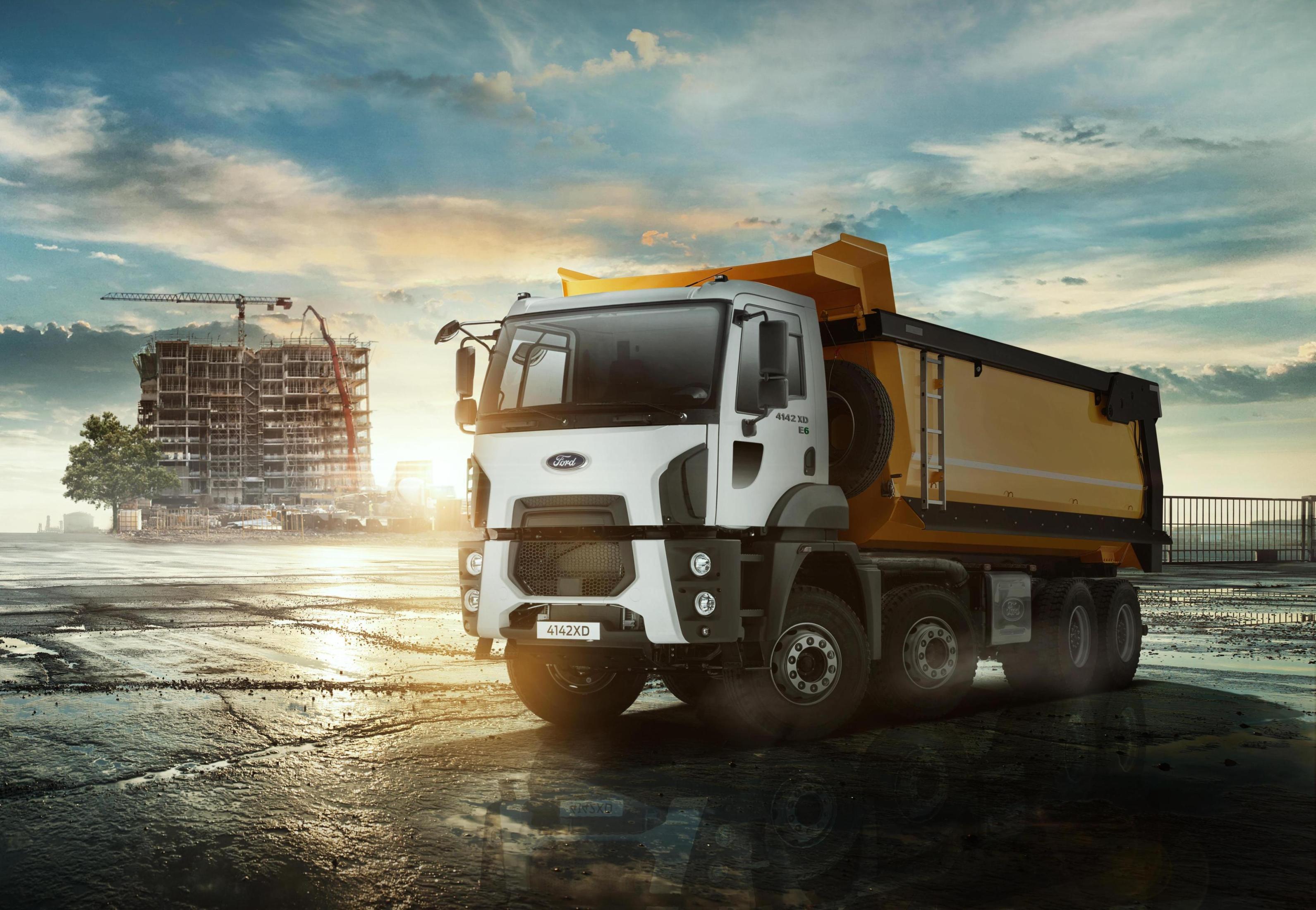
Ford Trucks International Press Release / July 16, 2019 The Ford Trucks 4142XD's 12.7 litre Euro-6 "Ecotorq" engine: Built for power and endurance. #SharingTheLoad .
-
Gosh guys, how can you take a thread asking about Billy's well being (he's an older gentleman) and end up with hatred? We have the best truck website in the world.......I can tell you that. Now with so many wonderful members worldwide, the website can't meet everyone's vision of perfect every day all-the-time. If we all had exactly the same views.......the world would be an awfully dull place. BMT is not only a place for discussing old Mack trucks. It's also a place for discussing new Mack trucks, other brand trucks both new and old, and non-truck topics as well. You have the ability to choose what you want to view..........and what you don't want to view. For example, if you only choose to view posts about old Mack trucks, you can head straight to the "Antique and Classic Mack Trucks General Discussion" thread. You're in the driver's seat....you only need read what you want to read.
-
Your'e welcome. The synthetic brake fluids like Motul don't absorb moisture, and unlike the original synthetic brake fluids that the military used years ago are not spongy (pedal feel).
-
. .
-
Limited edition Diamond T glider kit offering unveiled
kscarbel2 replied to kscarbel2's topic in Trucking News
"Diamond-T Line Model T9800B long nose conventional in process. Set-Back front axle vocational model capable of handling up to 600HP diesels. Glider Kits or Full Trucks. Accepting Orders Now." Joe Whitman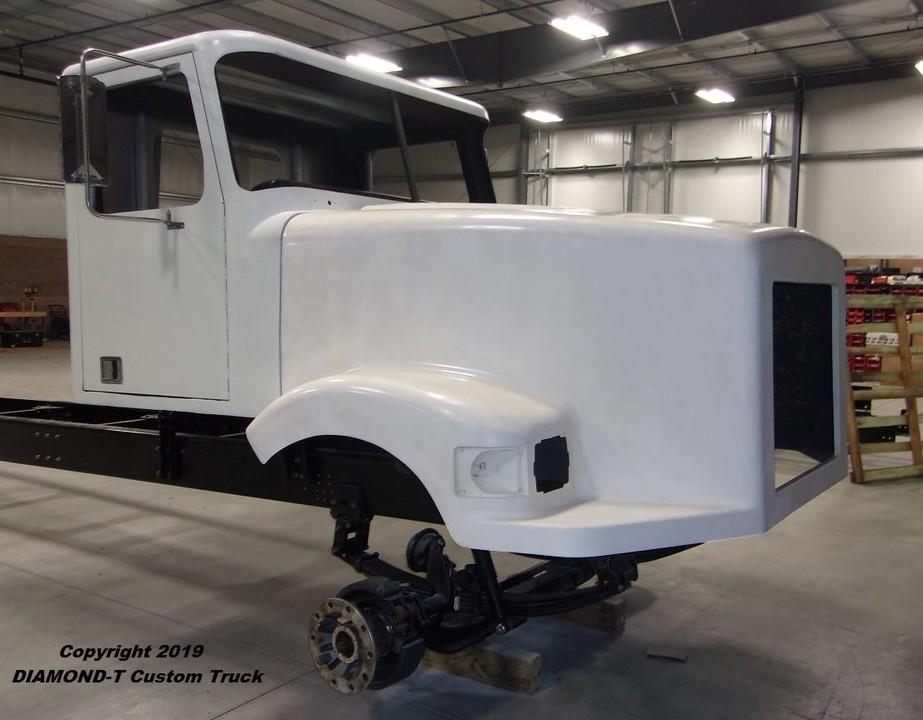
-
So.......even though she fails to show up for work 42 percent of the time.........our employees in Washington continue to employ and pay her.
-
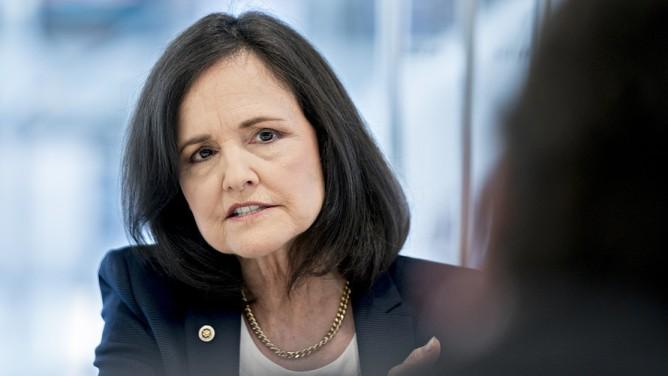
One of President Donald Trump’s latest picks for the Federal Reserve, economic commentator Judy Shelton, has missed 11 of 26 board meetings, or 42%, of the European Bank for Reconstruction and Development (EBRD) in her first year as the U.S. representative, according to minutes of the meetings. .
-
I'm still trying to figure out how this company could possibly know what to sell you, to change from spoke to disc. Only a Mack dealer, or the Mack Specifications Department via a changeover request, could accurately determine what the truck was built with originally...........and what you would need to effect the change. If the springs are Mack, what is the 4QK number stamped on one of the two "T's" at the ends of the springs?
-
I'm sure the entire BMT family hopes that Billy is simply preoccupied, and not away because of illness. Billy is "good people".
-
Car & Driver / July 15, 2019 Ford will offer a pickup version of the upcoming Bronco to compete with the Jeep Gladiator. This is amusing given the Bronco SUV also will be based on the Ranger, meaning the Bronco pickup would be a pickup based on an SUV that is based on an identically sized pickup (the Ranger).
-
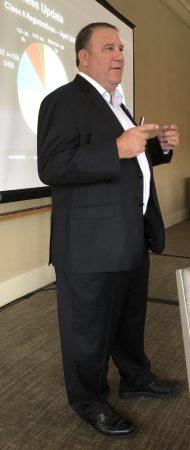
Volvo’s Mack exec not concerned about slowing truck demand James Menzies, Truck News / July 10, 2019 SEATTLE, Wash. – Class 8 truck orders have fallen sharply in recent months, but the folks at Volvo Group subsidiary Mack Trucks aren’t sweating. “I almost get the sense people are standing on the ledge, looking over and trying to talk themselves into a downturn,” said Jonathan Randall, Mack senior vice-president of North American sales and marketing. “We’re not seeing it. We’re not feeling it.” He characterized the current truck market as “hot,” despite lower orders in the first months of 2019. “The orders have fallen off significantly, but that’s expected,” he told the trucking industry press during an event here. “We can’t continue to fill an already full cup. The torrid pace we were accepting orders at six or seven months ago couldn’t continue. We knew that. That order intake dip is fully expected.” The good news, however, is that interest for new units remains high. There remains in place a solid backlog, and production is steady. There are also few cancellations happening. “Our orderbook is firm, solid and strong,” said Randall. Mack is sticking to its previously stated projections of a 310,000-unit Class 8 market this year for the U.S., Canada, and Mexico. Most of the demand is coming from the longhaul segment, where new truck registrations climbed from 44% in 2018 to 50% so far this year. Mack is well positioned to take advantage with its new Anthem highway tractor, Randall said. “The Anthem is getting us into more and more fleets,” he explained. Mack recently opened its orderbook for 2020 and demand is strong, Randall noted. “Demand is there because fleets are now starting to plan next year’s purchases,” he said. “The limiting factor seems to be people. Customers are saying ‘I’ll order 50, but I’d order another 20 tomorrow if I could hire another 20 drivers’.” With the Anthem, Mack is looking to strengthen its presence in the west, where big block engines and high horsepower are still highly sought after. Randall said Mack is aiming to educate fleets on the capabilities of its 13-liter engines. “A 13-liter is economically able to pull the majority of what needs to be pulled across the country,” he said, adding Mack has no plans to begin offering a 15-liter engine. Kevin McCann, operations manager with aggregate hauler Silver Streak Trucking, reaffirmed the capabilities of a 13L engine in the western market. “We actually outpulled a 600-hp Cummins with a 505-hp Mack,” he said of one of the company’s Mack Granites. “We made it back to the gravel pit and the comment over the CB was ‘My gosh, what kinda power do you have in that truck?’ It had to do with the truck, the operator, and the automatic transmission. We’re being noticed out there. There’s a lot of attention to what we’re doing and what we’re creating out here.” While the Anthem is getting Mack back into the linehaul segment in a meaningful way, Randall said the truckmaker’s goals in that segment are “modest.” “We know we are not going to be the number one player in that category, but we need to have a strong linehaul business because that’s half the market,” he said. “We expect to see strong growth.” .
-
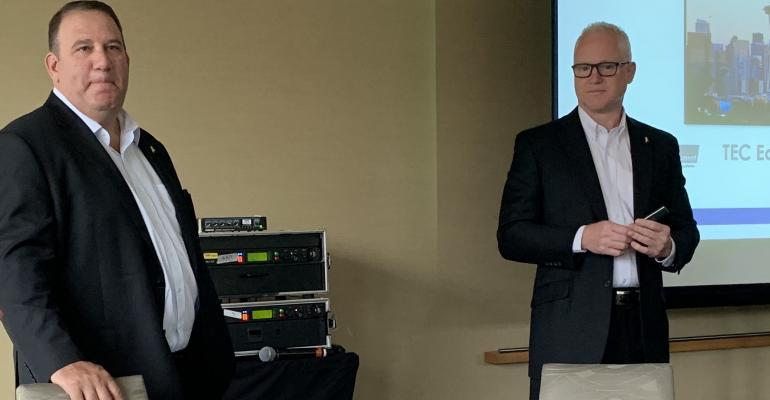
Neil Abt, Fleet Owner / July 15, 2019 The Class 8 truck market remains “hot” and there are no indications of a significant downturn on the horizon despite a slowdown in orders this summer, according to Jonathan Randall, senior vice president of North American sales and marketing for Swedish truckmaker Volvo's Mack Trucks subsidiary. Randall made the remarks last week during media trip showcasing Mack’s growing footprint in the western United States. Volvo is still projecting 310,000 North American truck deliveries industry-wide for all of 2019, with replacement orders of sleeper models driving the growth. Orders have fallen but that was expected as "you can’t continue to fill an already fuel cup," said Randall, adding that some observers are “trying to talk themselves into a downturn.” Randall noted order cancellations remain low, a sign that fears of any significant slowdown are overblown. There is still a solid backlog to work from and production remains steady, he said. That includes initial orders for 2020 delivery, which are off to a strong start. Randall said Mack was seeing higher sales in nearly all segments in 2019, and there continues to be growing orders for its integrated powertrain. Separately, one industry analyst said in a report the current Class 8 build rates may suggest upside to the 2019 forecast, but “erring on the side of caution remains the right call.” He said Class 8 market activity “is rapidly approaching the precipice, and everyone should be preparing for a rapid downward correction in production levels in the next handful of months." During a recent Cowen conference call, an executive with a small fleet said truck manufacturers have been approaching him about ordering, which he called a sharp contrast from the overheated market a year ago. Other fleet representatives said orders for 2019 were mainly replacement vehicles, and that they were not in a rush to begin order negotiations because pricing could ease later this year. .
-
Transport Topics / July 15, 2019 U.S. retail sales of medium-duty trucks in June dipped ever so slightly overall as they posted a gain only in the Class 6 segment, WardsAuto.com reported. Total sales reached 21,574, down 0.2% compared with a year earlier when sales were 21,611. For the six-month period, sales rose 5% to 121,991 compared with 116,227 in the 2018 period, according to Ward’s. One industry analyst is forecasting for Classes 4-7 sales of 255,000 in 2019, or 2% growth year-over-year. “Retail sales are tracking the medium-duty forecast very well, but the current situation, as it relates to build, suggests upward pressure on the forecast. Large new vehicle inventories and a slowing in order intake balance this pressure, resulting in stasis for the medium-duty forecast,” he said. Class 7 sales fell 7.5% to 5,123. Freightliner, a brand of Germany's Daimler, earned a leading 40% market share. International notched a 30% share. Paccar posted a 22% share on sales of its Kenworth and Peterbilt brands. In related news, on July 3, Ford released its second-quarter sales report and noted its F-650 and F-750 medium-duty trucks achieved their highest combined sales since 1997. Combined sales of both trucks were up 83% in the second quarter compared with the year earlier quarter — 5,838 vs. 3,190 — and up 53% year-to-date at 9,131 compared with 5,977 a year earlier. “With the Super Duty, we’ve got great commercial business and we call it commercial, we’ve got like two or three accounts that are over 5,000. We have thousands of smaller accounts under 10 units a year, under 20 units a year. Are those really retail, are those really fleet? [Dealers] know those customers personally, they’re involved with their businesses, they’re making sure they keep their trucks running,” said Mark LaNeve, Ford vice president, U.S. marketing, sales and service. Ford has 675 dealers and sold a leading 7,349 trucks in Classes 4-7 in June. Landscape and delivery services, beverage delivery, and moving and storage were some of the segments that were drawn to the Super-Duty trucks, according to Ford. Class 6 sales jumped 12.3% to 6,711 compared with a year earlier. Ford had a leading 34% market share. In Classes 4-5, sales dropped 3.5% to 9,740.
-
There was a time when I could take the Mack 48SM wheel cylinder part numbers off the line sheet and then cross them in the Mack-to-Vendor book, or if necessary have Mack's specifications department cross them (perhaps by the fire truck expert Tony Hathaway himself), but those days sadly are in the past. Particularly in antique vehicles, I learned to switch the system over to Motul so as to avoid this sad experience. https://www.amazon.com/Motul-MTL100949-Factory-Percent-Synthetic/dp/B004LEYJO4/ref=sr_1_1?m=ATVPDKIKX0DER&s=automotive&ie=UTF8&qid=1544390090&sr=1-1&keywords=rbf600&refinements=p_6%3AATVPDKIKX0DER
-
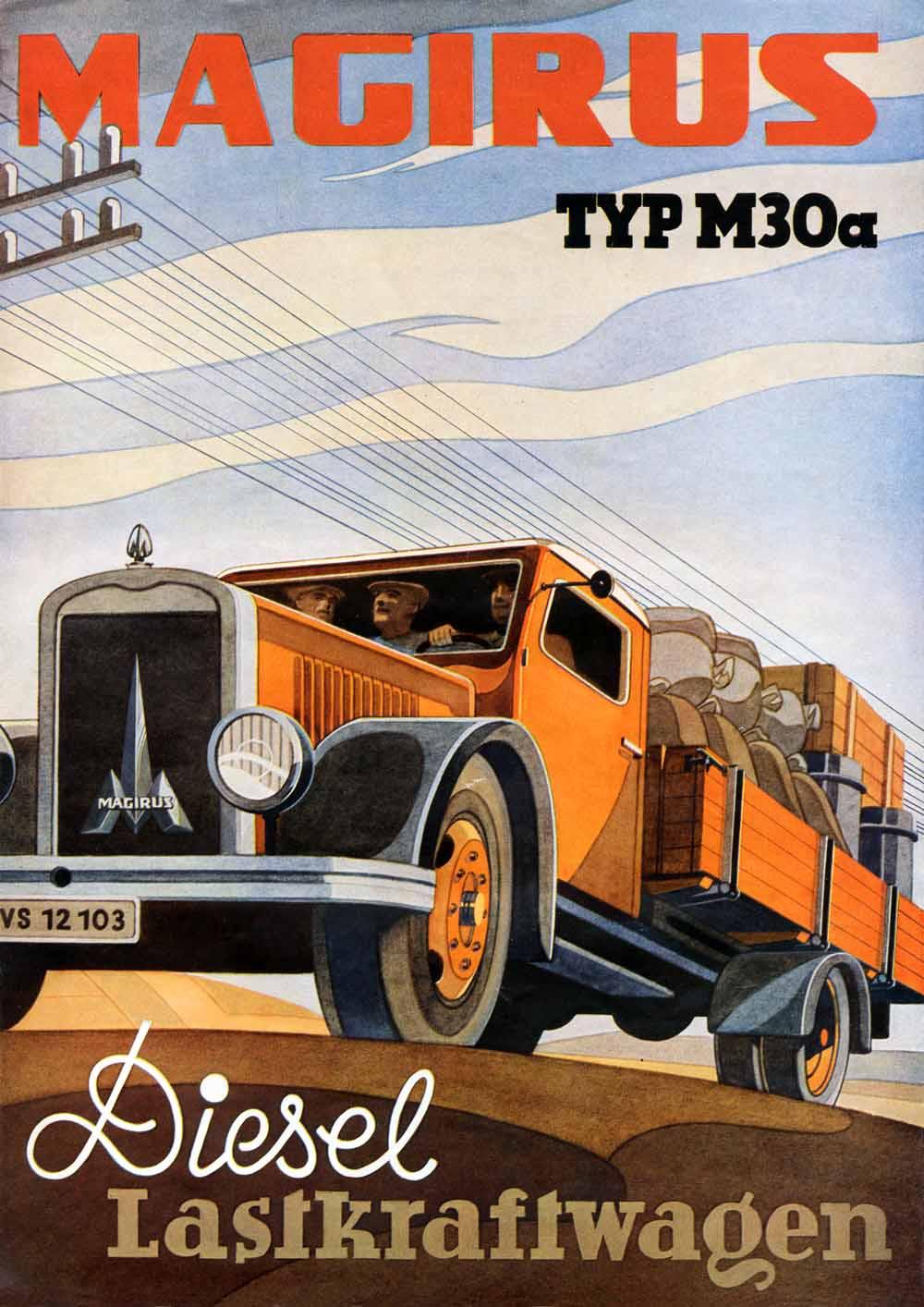
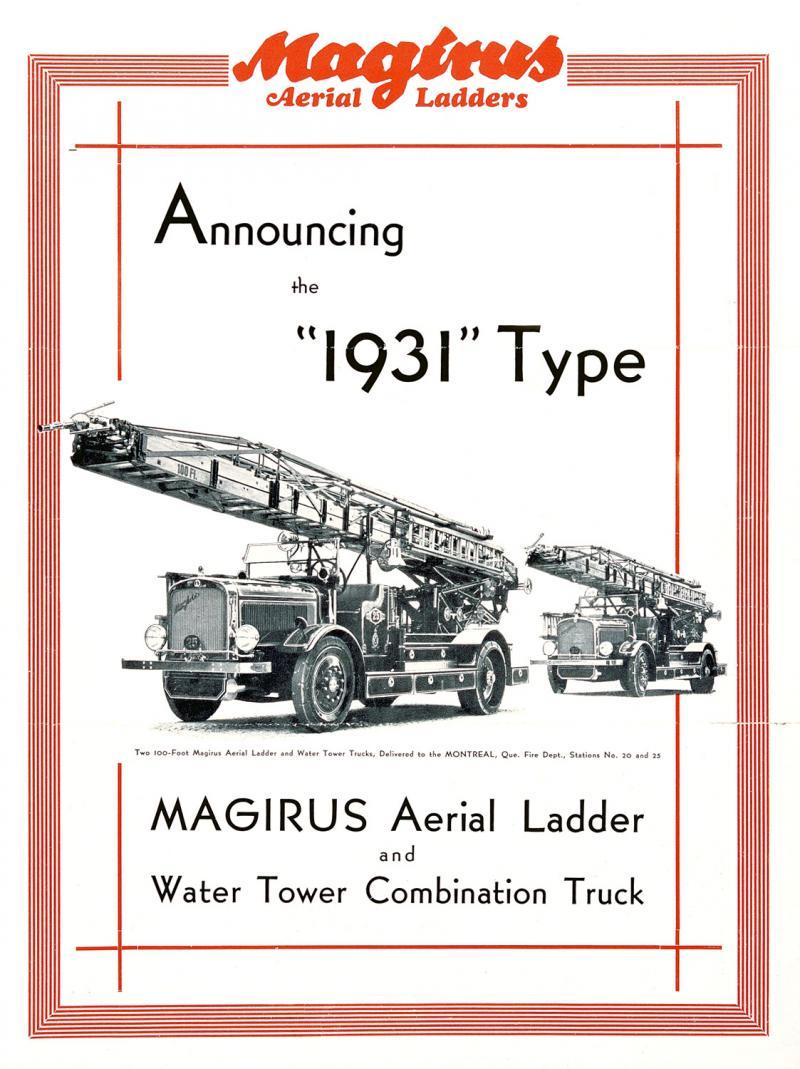
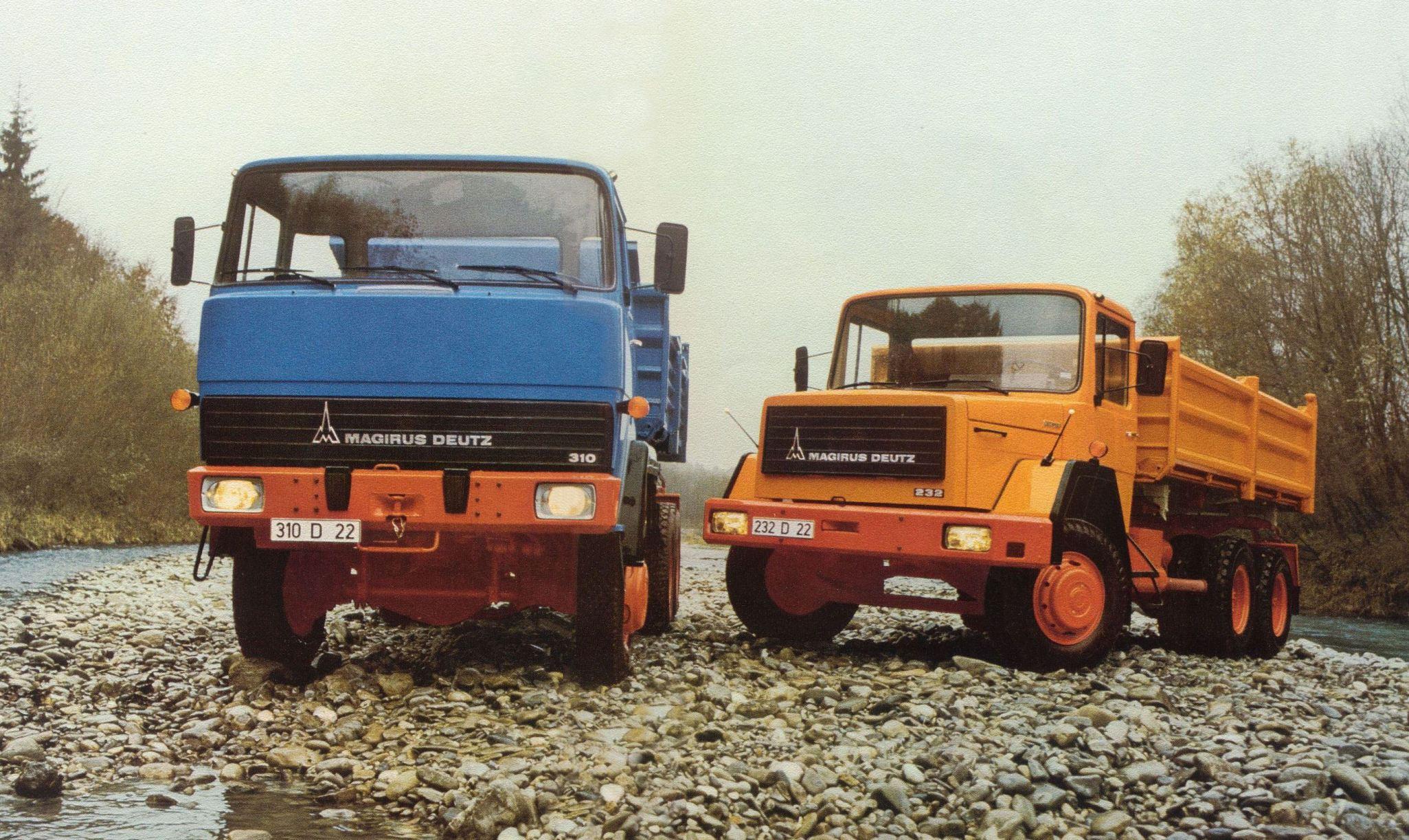
https://www.bigmacktrucks.com/topic/41145-magirus-trucks-–-designed-for-america/?tab=comments#comment-298286
-
Harsh Reality Forces Automaker Rivals Like VW, Ford to partner Bloomberg / July 15, 2019 To understand how much strain the world’s leading auto manufacturers face as they make the daunting leap to the electric and autonomous vehicle age, just listen to their leaders. “The business part of you wouldn’t do these things,” Ford CEO Jim Hackett said on Friday. That startling admission came after he had just inked a massive deal with German arch-rival Volkswagen to join forces to develop electric and self-driving cars. The auto industry is being disrupted by increasingly stringent environment regulations mandating electric cars, while breakthroughs in driverless technology have the potential to upend the way humanity moves. That’s forcing carmakers to balance rivalry with survival. “The leadership part of you requires that you do it,” Hackett said of partnering with the competition. “You have to invest in things that are uncertain, before they are ready, because when they are ready you can’t catch up.” The collaboration commits Ford to build battery cars on a VW platform, while the German automaker invests $2.6 billion in the American company’s autonomous-affiliate Argo AI. That gives the startup an eye-popping valuation of $7.25 billion -- and the commercial launch of its robot rides is still two years off. “This game will change, so economies of scale will be important,” VW CEO Herbert Diess said at a press conference Friday to announce the expanded tie-up with Ford. “Sharing tech and using standards will be important to succeed in the future.” Ford’s one-upmanship with VW goes back decades -- from the German manufacturer’s founding in the run-up to World War II, to America’s hippie-era love affair with the Beetle and fuel-sipping Rabbit model during the oil shock era, and now trade wars that threaten to further politicize commercial battles. But the shift to battery-powered cars and autonomous driving will require different tools than the ones carmakers have spent the better part of a century honing. It’s no longer just about building ever-more powerful engines and sculpting exterior sheet steel. The Ford-VW deal is a bet on a coming age of electric-powered robo-cars that will take fresh approaches to competition, marketing and planning. And it will take money -- gobs and gobs of it. While the deal will result in a new electric passenger vehicle from Ford in 2023 and Argo joining with VW brand Audi’s autonomous operation to deploy self-driving test vehicles in Europe next year, it’s really about ensuring each company’s survival well into the future. “They’re looking at the longer term,” said Stephanie Brinley, auto analyst with IHS Markit. “These moves aren’t about 2025, these moves are about these companies trying to make sure they’re fully ready and capable for 2030 and 2040 and taking the steps you need to get that far down the road.” Electrification will cost carmakers $225 billion through 2023, roughly equal to the industry’s annual total for capital expenses, research and development spending. Self-driving cars will soak up an additional $85 billion through 2025. The partnership between Ford and VW shows how some companies are tackling the task with more urgency than others. So far buyers aren’t exactly swarming showrooms to pick up electric cars. High prices, patchy charging infrastructure, and, with the exception of Tesla’s sleek models, unorthodox styling have made them a tough sell. Likewise, the payoff in self-driving technology is years away and drivers remain resistant to turning over the wheel to a robot. But consumer habits are changing, as people rely less on ownership and turn to sharing apps, e-bikes and scooters for more of their transportation needs. Cash-rich giants like Alphabet, Amazon and Apple have turned industries from phones to cameras to television upside down, and auto executives fear they could be next as cars become increasingly high-tech and software-dependent. “The OEMs have to invest through this valley to get to the other side,” Mark Wakefield, a managing director with AlixPartners, said last month. “But investing -- or partnering to invest -- to get through that is a way to span the generational path.” Jim Farley, Ford’s president of new businesses, technology and strategy, said the partnership with VW isn’t only about cutting costs. This collaboration could help accelerate each automaker’s trip through the profit desert Wakefield warns of. “This is not only a capital efficiency play,” Farley said in an interview. “It’s absolutely leverage on our margins, especially in a place like Europe.” Other automakers are also reinventing themselves. General Motors’s acquisition of the self-driving startup Cruise in 2016 for $581 million has turned out to be prescient. The automaker has since attracted three major outside investments totaling $6.15 billion. As of May, GM Cruise was valued at $19 billion when T. Rowe Price Associates Inc. joined earlier backers, Honda and SoftBank Vision Fund. VW’s backing of Argo AI -- $1 billion in cash and another $1.6 billion for the value of its Autonomous Intelligent Driving unit that it’s contributing -- should put that self-driving startup on a similar path to attracting outside investment. “Now that a valuation’s been set and with the potential of this relationship, it does set us up well for that,” said Bryan Salesky, Argo’s co-founder and CEO, a veteran of Google’s self-driving car program. “I’m sure that’s in the cards at some point in the future.” Meanwhile, Fiat Chrysler Automobiles tried -- though it failed -- to build scale and gain access to electric-car technology through a merger with Renault, to make up for its dearth of battery-powered cars. Chairman John Elkann this week told Italian newspaper La Stampa that the attempt was “an act of courage” and would have allowed it to make better use of capital and more cars. On the other side of the spectrum sits the Renault-Nissan-Mitsubishi Alliance, where tensions threaten to rip apart two decades of cooperation just at the moment it’s needed most. Lack of a decisive strategy on electric cars this month also cost BMW CEO Harald Krueger a second term as leader, after he couldn’t unite a bickering board behind him. And Daimler’s new CEO Ola Kaellenius will have to dig deep on leadership skills to steer the Mercedes-Benz maker that’s endured four profit warnings in just over a year. Those two German automakers have partnered on a self-driving project they vowed earlier this month would see robot-piloted cars on highways by 2024. Building a software stack for autonomous vehicles may cost a few billions of dollars, while maintaining it will cost billions more each year, VW’s Diess said in the joint interview with Ford’s CEO. “The times we are facing, we will get into resource problems” without the help of partnerships, he said. “Because it gets really, really expensive.”



BMT Forum Logo