


kscarbel2
-
Posts
19,178 -
Joined
-
Days Won
115
Content Type
Profiles
Forums
Gallery
Events
Blogs
BMT Wiki
Collections
Store
Everything posted by kscarbel2
-
Meritor Announces New Products, New Brand and Redesigned Components
kscarbel2 replied to kscarbel2's topic in Trucking News
Meritor announces new electric drivetrain components Jeff Crissey, Commercial Carrier Journal (CCJ) / September 27, 2017 In response to the growing trend of electric powertrains, Meritor has launched its M 2019 initiative that includes a suite of electric drive axles and suspensions aimed at medium-duty, city-delivery, transit-bus and severe-duty applications that could be production-ready as early 2019. “Essentially, we’re focusing on integrating an electric motor into the differential carrier,” said Jay Craig, CEO and president for Meritor. “As we look to future emissions regulations and our customers’ desire for more efficiency, we’re developing new and innovative solutions to expand our product portfolio.” The e-carrier, an electrified and lightweight replacement for a mechanical carrier, can house various drivetrain configurations, including full electric, hybrid, single or tandem axles depending on application. The electric motor is integrated into the axle, allowing room for batteries and other electrical components. Meritor’s 13Xe rigid axle can deliver 200 kilowatts of continuous power and featuring customizable gearing to cover line-haul, school bus, refuse, pickup and delivery, utility and other applications. Other related electrified product solutions include an independent suspension for applications such as military, emergency, off-highway and construction vehicles that will benefit from increased performance and an eCorner module for low-floor applications such as medium-duty Classes 4 and 5, pickup and delivery and transit buses. Meritor will also offer Quadraulic and next-generation air disc braking systems optimized for use on hybrid or electric vehicles with regenerative braking. “These emerging electric solutions reflect Meritor’s commitment to develop axle, suspension and brake technologies that support our technology roadmaps and future product plans based on our customers’ needs,” said Craig. New air disc brake Also announced at the North American Commercial Vehicle show in Atlanta, Meritor said its EX+ air disc brake for tractor and trailer will be available beginning in 2018. The new brake is 10 pounds lighter than previous versions and features a gear-synchronized, twin-piston design to deliver even force across the brake pads. Value brand replacement parts Meritor also introduced Mach, a value-brand replacement parts program for end users looking for affordable parts across all makes from a Tier 1 supplier. “With a rise in the number of competitors selling products at various price points and quality levels, Meritor’s Mach brand will offer a wide range of replacement part options at affordable prices that are validated by our engineers,” said Rob Speed, Meritor’s president of aftermarket & trailer. The program will launch by yearend 2017 and include suspension, steering, brake and drivetrain components. ThermAlert now standard Finally, Meritor announced its ThermAlert wheel-end heat sensing system is standard on its MTIS automatic tire inflation systems for trailers. The system alerts the driver of high wheel-end temperatures with an indicator light to help minimize damage to axle and suspension. Meritor also is increasing the warranty for MTIS to five years. -
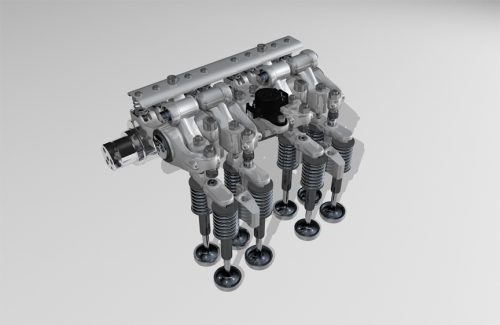
Commercial Carrier Journal (CCJ) / September 27, 2017 The next generation of the so-called Jake Brake, built by Jacobs Manufacturers, will likely come to market in 2019, the company announced Wednesday at the North American Commercial Vehicle show in Atlanta. The new High Power Density engine brake will offer twice the braking power as the current Jake Brake and will provide improved engine braking capabilities at a lower rpm range, says Jacobs’ VP of Engineer Steve Ernest. The system is designed to improve fuel economy when the engine brake is engaged and help keep foundation brakes cooler, Ernest says. The company, which sells almost exclusively to original equipment manufacturers, says at least one truck maker is scheduled to begin adding the new Jake Brake to trucks built in 2019. Others will follow suit “into the 2020s,” says Ernest. Current braking capacity at 2,100 rpms will be available at only 1,300 rpm with the HPD system, Ernest adds. Jacobs also says it is developing and testing another technology, Active Decompression, to aid in start-stop applications. The system is designed to reduce engine — and, thus — truck vibrations associated with start-stop functionality. Start-stop capabilities is a growing trend in the industry. The systems cut engines off and on in high-idle situations such as congestion. Jacobs’ system intends to make start-stop more comfortable for drivers. The company recently sold its 7 millionth Jake Brake, it also announced at the show. .
-
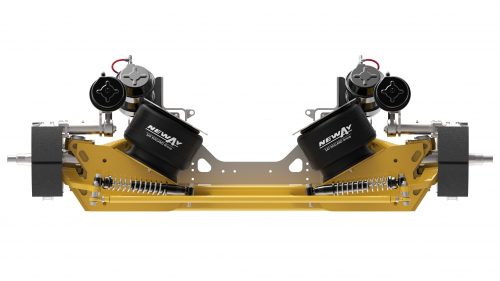
Jason Cannon, Commercial Carrier Journal (CCJ) / September 27, 2017 SAF-Holland introduced its new large-capacity 20K Neway LSZ Auxiliary Steerable Lift Axle Suspension at the North American Commercial Vehicle Show in Atlanta Wednesday. With a package size of 18.3-inches, the LSZ is up to 8 inches shorter than comparable lift axles, allowing some customers to spec shorter wheelbase trucks for improved maneuverability. “We learned installers were running out of wheelbase,” Jason Heath, product manager for Neway Truck, Bus & RV Suspensions. “[The new LSZ] is about two-thirds the size of the closest competitor.” Heath says air tanks for the suspension are mounted inside the suspension itself, creating even more frame rail space. The unit’s SuperChamber doubles the lift speed of traditional air springs and keeps the axle from bouncing banging on the chassis. “This improves the comfort and allows the driver to do what they are supposed to do: drive the truck,” Heath says. The angled design of the LSZ air springs improves tracking, lateral stability, tire life, and improves. The LSZ is the only line of lift axles to use premium rolling lobe style air springs, improving ride quality. “It also allows us to use a smaller axle tube to improve ground clearance,” Heath adds. The LSZ has a proprietary kingpin design that improves maintenance, needing no drilling, shimming, reaming and eliminates the use of dial indicators. If knuckle components ever wear out, they can easily be replaced by removing a single bolt. Optional features include disc brakes, a fully plumbed setup, in-cab and outside air controls and prep for fender brackets. The new axle will be available later this year. Also Wednesday, the company introduced a retrofit kit for its new automatic fifth wheel lighting system. Designed for Holland FW35 Series Fifth Wheels, the Electronic Lock Indicator (ELI-te) is an electronic system that senses kingpin’s location within the locks, improving coupling and reducing the likelihood of dropped trailers by displaying a white light for a proper connection and blinking red for improper connection. It can be retrofitted to a fifth wheel in under two hours. The new retrofit is available through SAF-Holland Original Parts distributors and dealers. And, the plug-and-play technology makes it easy to install. It’s also available as a replacement top plate or as a complete fifth wheel assembly to replace other brands of fifth wheel. .
-
Allison plans new nine-speed automatic transmission
kscarbel2 replied to kscarbel2's topic in Trucking News
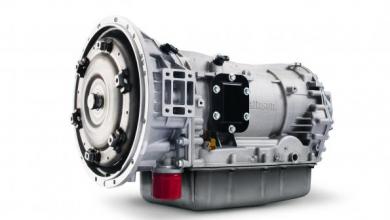
Allison to launch first 9-speed fully automatic transmission in 2020 Truck News / September 27, 2017 ATLANTA, Ga. – Allison Transmission today introduced its plans to release the first 9-speed fully automatic transmission in 2020. The roll out was announced in front of trade press who gathered at the inaugural North American Commercial Vehicle (NACV) show in Atlanta. The new 9-speed transmission has a deep first gear ratio, includes an integral engine stop-start system, and is scheduled to be released by 2020 – just in time to coincide with the Environmental Protection Agency’s Phase 2 GHG and Fuel Efficiency Standards. “This 9-speed product launch represents the first in a number of new products which will demonstrate Allison’s ongoing commitment to addressing the global challenge of improved fuel efficiency and reduced greenhouse gases,” said Randy Kirk, senior vice-president of product engineering and product teams with Allison, who added the new 9-speed will reach up to 7% greater fuel efficiency than the base 6-speed model. “The new 9-speed will set a new benchmark for fuel savings,” he said. “Customers can also expect up to 10% greater (fuel economy) or more when compared to a competing transmission.” The new transmission marks the first of its kind for the medium-duty market and is ideal for Classes 3-7, specifically distribution trucks, rental and lease trucks, and buses, Kirk said. With the new transmission,Allison said drivers can also look forward to better comfort due to smaller steps, a smoother start, and improved acceleration. The new 9-speed will succeed the company’s 6-speed transmission when it is released. “The Allison 9-speed leverages the proven durability of the Allison 2000 Series 6-speed commercial transmission, which has accumulated more than 100 billion in-service miles globally,” Kirk said. “To keep it simple for OEMs and customers, it’s been designed to utilize the same interfaces as its 6-speed predecessor.” “We’re excited to raise the bar one more time with our new fully automatic 9-speed transmission for commercial vehicles,” Kirk concluded. .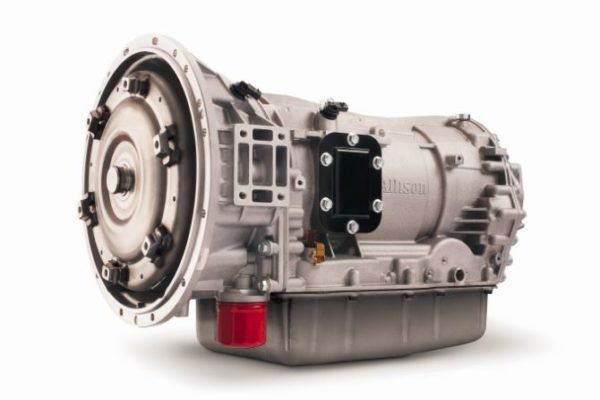
-
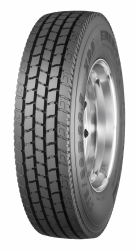
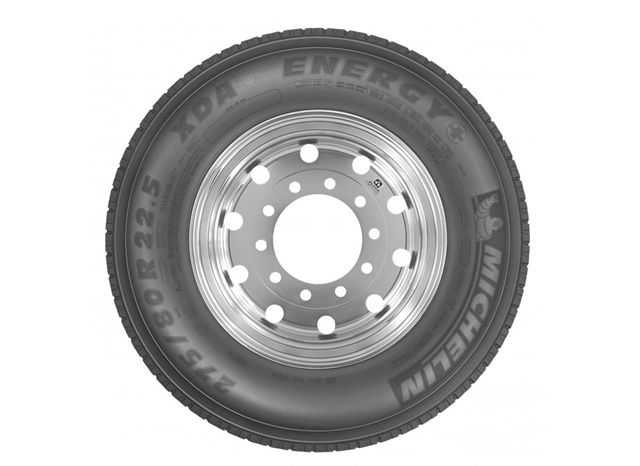
Michelin guarantees performance of new drive tire Today’s Trucking / September 27, 2017 ATLANTA, GA – Michelin is promising its new XDA Energy + drive tire will save fleets $400 a year in fuel, and is backing that promise up with a guarantee. The company’s newest drive tire was designed for fuel economy, and Michelin says it will pay fleets that don’t see the promised fuel savings over competitive brands up to $400 per truck. Fleets of any size can take the test. Michelin will work with them to benchmark their fuel economy using their current drive tire, then swap those brands out with the new XDA Energy+. After several months, the fuel savings will be evident, or Michelin will pay up, according to Adam Murphy, vice-president of marketing for Michelin Americas Truck Tires. He announced the launch of the new tire and the guarantee at the North American Commercial Vehicle show. “This tire is ideally suited for longhaul fleets, and particularly those operating in the dry van and refrigerated segments,” Murphy said. “Those are the fleets that typically are able to benefit the most from the lower fleet fuel consumption and reduced operating costs fleets can see using very low rolling resistance tires like the Michelin XDA Energy+.” Murphy said the new tires has 7% less rolling resistance than competitive tires, thanks to improvements in tread compound. This tire replaces the XDA Energy, and features the same tread design. “All this improvement is fundamentally coming from improvements in the tread compound we were able to deliver,” said Murphy. The new tire will be available in size 275/80R22.5 G beginning Oct. 1. Michelin also announced its recently introduced X Multi D regional haul drive tire is now available in a low profile 275/80R22.5 G size. The tire offers a 65% improvement in mileage compared to the XDE M/S tire it replaced. Murphy said it also offers great traction, getting up to speed 85% faster in snow than other designs. Michelin says if customers don’t see the extended life they’ve been promised, the company will pay the price difference between the X Multi D and a competitive tire. .
-
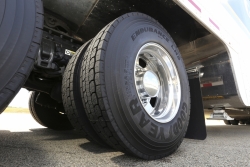
Today’s Trucking / September 27, 2017 ATLANTA, Ga. – Goodyear has introduced a new longhaul tire it says combines longer miles to removal with excellent fuel efficiency. The new Goodyear Endurance LHD was shown for the first time at the North American Commercial Vehicle show. “In today’s ultra-competitive freight hauling environment, no truck tire performance benefit is probably more important than long miles to removal,” said Dustin Lancy, marketing manager, Goodyear. “Enhanced mileage is an attribute that can positively impact a long-haul fleet’s bottom line.” The Endurance LHD drive tire is SmartWay-verified and features a new tread compound that delivers both fuel efficiency and long life. It also has a new sidewall compound to reduce rolling resistance and a steel belt package that provides casing toughness, Goodyear claims. A shoulder wedge was developed to stabilize the belt package, and Goodyear’s Tredlock Technology stabilizes the tire’s tread area to prevent irregular wear. The tire is now available in size 295/75R22.5 (Load Range G) and 11R22.5 (Load Ranges G and H). Another size, 11R24.5 (Load Range G), will be available in December, Goodyear said. Sizes 11R24.5 (Load Range H) and 285/75R24.5 (Load Range G) will be available in January 2018. The company also hinted of a matching retread to be launched next year. The Endurance LHD retread will feature Goodyear UniCircle Technology. “The spliceless design of our UniCircle treads matches the shape of the tire’s casing,” said Lancy. .
-
Meritor Announces New Products, New Brand and Redesigned Components
kscarbel2 replied to kscarbel2's topic in Trucking News
ThermALERT to be standard on MTIS Today’s Trucking / September 27, 2017 ATLANTA, GA – Meritor will make the ThermALERT wheel-end heat-sensing system standard on its MTIS (Meritor Tire Inflation System) automatic tire inflation system for trailers beginning in October. ThermALERT uses an indicator light to notify drivers about overheating wheel ends. Given enough advance warning, that can help avoid axle or suspension replacements, the company says. “Drivers can stop their vehicles safely and avoid potentially dangerous conditions,” said Rob Speed, president – aftermarket and trailer. Meritor will also offer a five-year warranty and will not place an addition premium on MTIS. MTIS is currently supporting more than 1.4 million trailers and 6 million tires around the world. -
Meritor Announces New Products, New Brand and Redesigned Components
kscarbel2 replied to kscarbel2's topic in Trucking News
Meritor optimizes air disc brakes Today’s Trucking / September 27, 2017 ATLANTA, GA – Meritor has unveiled an optimized EX+ air disc brake that will be available to Original Equipment Manufacturers in 2018. “By updating and optimizing the EX+, our engineers reduced weight by 10 pounds per brake to offer the lightest-weight truck (air disc brake) on the market while also maintaining reliability, said Chris Villavarayan, Meritor’s president – Americas. The gear-synchronized, twin-piston design applies an even level of force across the brake pads, leading to better performance and uniform pad wear, the company says. As an air disc brake it also offers shorter and smoother stopping distances and reduced brake fade. A patented double seal minimizes water exposure to seal the EX+ for life, Meritor adds. Pads can be changed in just 30 minutes, while the unit as a whole promises to lower maintenance costs with faster inspection and repair times. “Fleets are beginning to see the benefits of air disc brakes, especially in safety and performance,” Villavarayan said. The Meritor discs are compatible with most collision mitigation systems in the market, while fleets also have the option of specifying drum brakes on rear axles and air disc brakes in the front. Parts and labor carry a five-year/800,000-kilometer warranty in linehaul applications when the brakes are spec’d with Meritor’s friction material. -
New Continental tech monitors tires Today’s Trucking / September 27, 2017 ATLANTA, GA – Continental's new ContiConnect digital tire monitoring platform gives fleets a tool to track tire pressure and temperature through a single web portal. The underlying dta behind low-pressure alerts and high temperature alerts is collected via sensors mounted on the inside of the tire. Those sensors communicate wirelessly with a yard reader. Every time the truck enters or exits the fleet yard, the reader collects the data and transmits it to a web portal via a cellular network. Continental says the platform will save fleets time and money, as it will streamline tire maintenance programs, improve fuel efficiency, and prevent costly breakdowns. “Thirty-four per cent of fleets’ tires are still under-inflated,” said Paul Williams, Continental’s executive vice president - commercial vehicle tires for the Americas. “Correctly inflated tires mean 1% more fuel savings, 15% savings on tire wear, and 20% more life in your casing. And if you don’t (properly inflate your tires and monitor them), you’ll end up on the side of the road. Most fleets spend more money having tires repaired at the side of the road, than they do in the terminals.” Williams explained the tire sensors can detect things like creeping air loss, one of the major causes of tire failure, before it would typically be noticed in a pre- or post-trip inspection. “Since we introduced our beta system to our 16 test fleets, we’ve had — within the first 100 days — 4,000 alerts that have caused us to have an action to repair those tires before a breakdown,” he said. Ideally, Williams said, the system should be used by fleets who “are coming and going from their terminals on a regular basis so think dump trucks, waste haulers, school buses…because these trucks will constantly pass by the yard reader, it will communicate and get all the information off the tire, and alert the platform.” Tire sensors can be retrofitted onto a fleet’s existing tires through a simple installation process, as well, Continental said.
-
Bosch envisions digital, electric future Today’s Trucking / September 27, 2017 ATLANTA, GA – Imagine trucks without mirrors or internal combustion engines, relying instead on video monitors and electric power. It’s exactly what Bosch engineers are helping to develop. The company unveiled a series of related components during the North American Commercial Vehicle Show this week, offering a peek at emerging technologies that in some cases are already proving themselves. “The cockpit of the truck is set to transform,” said Jayson Roycht, vice president – North American regional business leader, commercial vehicle and off-road. Examples Bosch had on display included a 15-inch programmable gauge cluster. Rather than simply taking the place of a speedometer and tachometer, the screen becomes the centerpiece of driver controls, potentially integrating messages from driver assistance systems. A version of the same screen flipped to a portrait mode delivers images from cameras that take the place of traditional West Coast mirrors. And the advantages are not limited to the better aerodynamics that emerge when replacing mirrors with tiny cameras. Images on two of the screens mounted inside the cab can also be adjusted based on lighting conditions or incorporate other messages. Both versions of the screen were put to use in a drive between Detroit and Atlanta. In terms of electrification, Bosch is one of the partners in developing Nikola Motor Company’s Nikola One and Two – a hydrogen-electric truck that promises to deliver more than 1,000 horsepower and 2,000 lb-ft of torque. Among the components Bosch is bringing to the project is an eAxle that combines a motor, power electronics, and transmission in a single unit. The company is also involved in developing the truck’s customized fuel cell system and vehicle controls. “The approach using fuel cells for longhaul is pretty interesting, and being able to deliver that technology, and being able to deliver a cost benefit to diesel, is pretty interesting,” Roycht said. It won’t be the only approach to electrifying vehicles, of course. There are still many gains to be realized with hybrid systems, he said in an interview, referring to the ways that trucks in stop-and-go traffic could use regenerative braking to recharge batteries and extend potential vehicle ranges. Refuse vehicles using such technologies would also benefit because they wouldn’t chew through as much brake friction material. “You don’t necessarily have to have a big, expensive, heavy battery pack. There’s other solutions out there. There’s other solutions also with different power voltage levels like 48-volt solutions. There really isn’t a one-size-fits-all,” he said. Bosch’s eCity Truck, for example, is a diesel hybrid system that integrates its eAxle and a 48-volt system that supports accessories as well as energy recovery and start-stop capabilities at intersections. The U.S. Department of Energy has also awarded a Bosch-led team up to US $5 million to develop a commercially viable plug-in hybrid electric powertrain for medium-duty vehicles. Initial gains have already included a dual-planetary gear transmission with multiple clutches to reduce fuel consumption more than 50% in a real-world drive cycle. Effectively it allows internal combustion engines to be downsized by integrating two electric motors. At a time when Tesla has promised to unveil an electric tractor, existing manufacturers such as Cummins and Daimler have also come forward with products of their own, he said, referring to the respective Aeos tractor and Fuso eCanter. “The more we look into all the different driving scenarios, and the more the technology comes down in cost on the electrification side, the more we’re going to see applications where it’s going to have a cost-of-ownership benefit beyond just being green.” Still, there are different driving forces at play. In Europe, legislators are pushing for the technology with announced plans to ban internal combustion engines. “Here it’s more about can you produce on the cost basis. We see a lot of potential in a lot of areas. In terms of what comes to market faster? It’s anybody’s guess, but we’re seeing really interesting cost-benefits from everyone – including the longhaul.” There are advantages to developing such vehicle platforms from scratch, such as introducing easier entry and exit, as displayed with the Mercedes-Benz Vision Van concept, he said. “In the commercial vehicle segment – other than the passenger car – you’ve really got to deliver on cost and you’ve got to deliver on performance,” Roycht said. “The easy fit everyone sees right away is the short-haul, and the repetitive stops.”
-
From Deutsche Messe, the truck and component makers all got what they wanted, a professional North American truck show on the same international level as the IAA show in Hannover. Very impressed.
-
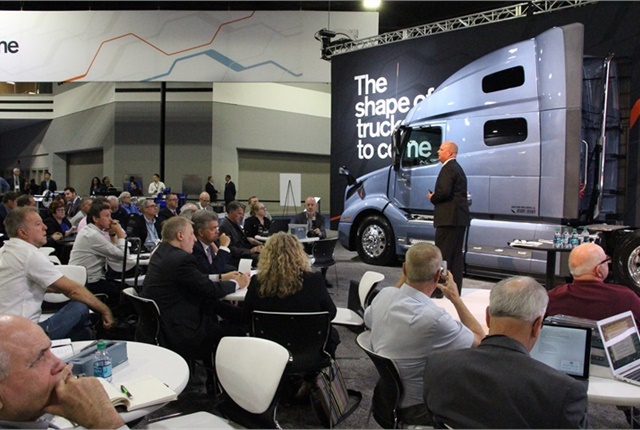
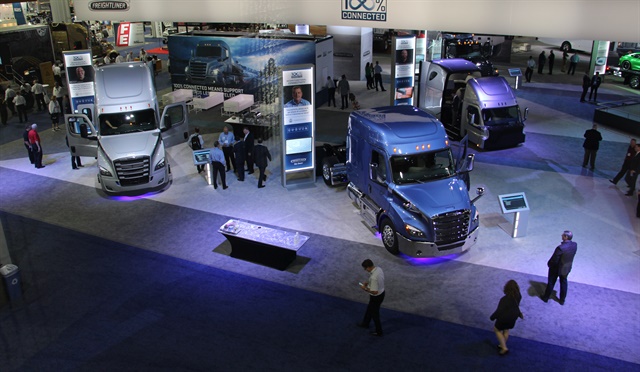
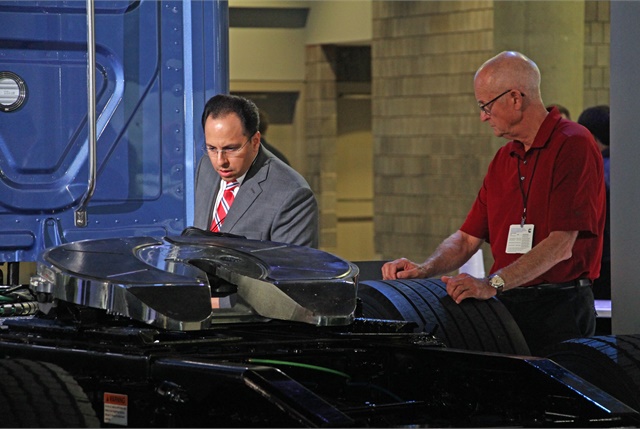
Heavy Duty Trucking (HDT) / September 27, 2017 ATLANTA – The numbers are not all in yet, but given preliminary figures and his own expert sense of how shows go, one of the organizers of the North American Commercial Vehicle Show was ready to declare it a solid success at the end of the third of its four-day inaugural run here at the Georgia World Congress Center, despite some exhibitor comments about light attendance. In a Sept. 27 interview with HDT, Larry Turner, president and CEO of Chicago-based Hannover Fairs USA, said that he “wasn’t surprised” that the show floor seemed “settled down” by that mid-afternoon. He attributed that to the “ebb and flow” of attendees into different areas of the exhibit hall. “There are a lot of folks concentrated in some of the larger booths, including where cafes are set up, and that impacts the flow of attendees and the look of the show floor.” While show management won’t release its final attendance figures until next Monday, Turner said that they’re looking to come in at around 10,000 attendees. “That’s not including roughly 5,000 exhibitor personnel and 243 members of the media.” He noted that some 20% of the attendees have been “walk-up registrations, including more today,” which suggests word of the new show is still getting out. On Monday, which was open only to VIP guests of exhibitors and the media, "we had very good meetings, and today as well," Berend Bracht, president and CEO at Bendix, told HDT Tuesday, the first day the show floor was open to all attendees. "The foot traffic at the show seems to be a little low, but the people that are coming are the right people, the decision makers, technically very competent people, so it has been good that way. And of course we are here to support our OEs." Turner pointed out that the NACV Show was “never intended for 50,000 people.” He said it is “not open to the public.” Rather, its primary registration effort was focused on attracting attendees who “own five or more trucks, with [individual] owner-operators welcome as well. The vast majority of attendees are from private and public fleets. We were not looking to compete with the Mid-America Trucking Show,” he added. “They have their [own niche], and we think we can coexist.” He also said that registration had been helped by enabling exhibitors to invite their customers for either the Sept. 25 “VIP Day” or for another day at the show. Over 60% of the exhibitors invited customers, according to Turner. “There are also industry suppliers in attendance,” he pointed out, “including some who are here to evaluate the show [for when it returns in two years]." As Bendix's Bracht also noted, Turner said the show offers “a secondary audience” in that there is “a dynamic among suppliers here, as occurs at IAA [the mega truck show held biennially in Hannover, Germany]. That is, smaller suppliers are interacting with the Tier One suppliers and OEMs” on the show floor. Speaking of that space, Turner said the exhibition’s 365,000 square feet of net exhibition space was sold out for this first edition. For its 2019 return, the organizers will “probably contract for a second hall here, so we can grow exhibit space by 30 to 40%.” He added that the show organizers have been “happy with the decision to hold it here in Atlanta since our first site visit two years ago. We liked the facility and its room for expansion and we liked the [nearby] downtown hotels and their attractive rates.” As for feedback, Turners said it’s been “positive from almost all the exhibitors. They have commented they like that we achieved our intent of making it easy for fleet attendees to get with their suppliers” in spacious booths. "And we’ve heard from exhibitors and attendees that they can take their time — by not fighting crowds — to stop and spend time with exhibitors. Some attendees said they came because they could see all the major suppliers were here.” One large truckload fleet maintenance exec at the show told HDT that the show was "superb on technology." He appreciated the focus of many exhibitors on connectivity and predictive technologies. "This is what we need today to help with driver turnover and mitigate costly time wastes in a driver's clock," he said. "It also helps me as a maintenance executive to move to less costly planned maintenance events. Those first to technology that works, will win." And it seemed that he felt this show's focus on tech would help attendees do that. The show is managed jointly through the North American Commercial Vehicle Show Partnership formed by Hannover Fairs USA, a subsidiary of German trade show operator Deutsche Messe, and Newcom Business Media, organizer of the Canadian-based Truck World and ExpoCam trade shows. The NACV Show is slated to return to Atlanta for its second outing from Oct. 28 to 31, 2019. It’s being held in alternating years from the Deutsche Messe-hosted IAA Commercial Vehicles show that's held in Hannover, Germany, during “even years.” .
-
Dana launches SPL 250 Lite driveshaft for heavy trucks
kscarbel2 replied to kscarbel2's topic in Trucking News
Dana Launches New Lightweight Driveshaft Line Heavy Duty Trucking (HDT) / September 27, 2017 ATLANTA — Dana has launched the SPL 250 Lite driveshaft at the North American Commercial Vehicle show in Atlanta, designed to be a lightweight option for most configurations of heavy-duty commercial vehicles. The SPL 250 Lite can handle torque ratings up to 18,439 lb.-ft. and is up to 25 pounds lighter than competitive products, according to Dana. It has also been engineered for reduced noise, vibration and harshness levels, improved performance, and improved vehicle dynamics without compromising strength. "The lower numeric axle ratios required to support engine downspeeding and improve fuel efficiency can cause significant stress to the drivetrain and alter harmonics in driveline components," said Mark Wallace, executive vice president of Dana and president of Dana Commercial Driveline Technologies. "Excessive vibration leads to unplanned downtime and driver fatigue on the road. The SPL 250 Lite driveshaft leverages proprietary precision manufacturing methods that ensure no NVH issues while delivering a smooth ride. It also reduces weight without sacrificing performance or durability." The SPL 250 Lite driveshaft widens the range of applications supported by an updated family of lightweight, durable driveshaft products and expands on the launch of the SPL 350 Lite driveshaft earlier this year. Designed with fewer components to reduce weight and enable faster, easier installation by OEMs, the driveshafts in this series feature extended component life and reduced maintenance. They also share service components with their existing SPL 350 and SPL 250 driveshaft counterparts to increase ease of service and simplify inventory for truck owners and service facilities. Spicer D-Series Steer Axles with Integrated Air Disc Brakes Dana also announced the addition of an aluminum hub option on Spicer D-Series steer axles with a 14,600-pound gross axle weight rating (GAWR). This new product expands the previously released 10,000-pound GAWR range to 13,200 pounds with aluminum hubs, and introduces a 14,600-pound GAWR integrated air disc brake steer axle available with this lightweight hub option. Spicer D-Series steer axles are designed for on-highway, city-delivery, bus, and vocational applications. These axles build upon the Spicer E-Series axles, providing greater durability and superior performance along with reduced maintenance and tire wear. Additionally, Spicer D-Series steer axles provide a robust axle-to-brake attachment and reduced assembly time. The Spicer D-Series steer axles reduces weight by up to 76 pounds when compared with existing solutions, according to Dana. The axles are available in both standard and wide beam widths, delivering broad application coverage for the commercial-vehicle market. S140 Drive Axle Available on Peterbilt Medium-Duty Trucks The Spicer S140 Series single-reduction, single-drive axle is now available as an option on medium-duty vehicles from Peterbilt, including the 220, 330, 337, and 348 models. This axle is designed to support Class 6 and 7 applications with gross axle weight ratings from 17,000 through 21,000 pounds. Dana says the S140 axle can weight up to 100 pounds less than competitive axles and deliver greater payload and improved fuel economy. It is available in a range of ratios from 3.31 to 6.50:1, supporting medium-duty pick-up and delivery trucks as well as municipal and utility vehicles. This axle also improves accessibility and versatility with up to one inch of additional ground clearance. -
Bendix’ new Intellipark systems aims to prevent rollaways
kscarbel2 replied to kscarbel2's topic in Trucking News
Bendix Touts New Driver Assist, Safety Features at NACV Heavy Duty Trucking (HDT) / September 27, 2017 ATLANTA — Bendix made a series of feature announcements at the North American Commercial Vehicle show in Atlanta, touting a series of safety-focused driver assistance and component enhancements available now and in the near future. Bendix showed a new feature intended to automatically prevent rollaway called Intellipark. The automatic braking technology replaces the manual air parking brake with electronic switches that will automatically set the parking brake if the driver exits the vehicle without setting the parking brake. With sensors that monitor the driver seat, seat belt, or cab door, the system will detect if a driver leaves the vehicle without engaging the parking brake and will automatically set it to prevent a dangerous or costly vehicle rollback. “Rollaway incidents can be terribly damaging – if not deadly – and come at great cost to fleets in terms of money, resources, and reputation,” said Fred Andersky, Bendix director of customer solutions, controls. “And all because the parking brake didn’t get set properly or was released accidentally. Automatic parking brake technology can help make these kinds of accidents – and their repercussions – a thing of the past.” The Intellipark system is expected to enter fleet trials in 2018. EnduraSure Spring Brake Line The company has also announced the launch of the Bendix EnduraSure Spring Brake line, which includes an improved version of its standard chamber, and the addition of a new sealed, professional-grade model. The new series offers even improved durability and performance in its standard EnduraSure product, while now giving fleets and owner-operators a premium option, the EnduraSure-Pro. The new models, double-diaphragm chambers for foundation drum brakes, are now in production. They were designed to meet all SAE requirements for force output while meeting stroke and clevis combination needs. The EnduraSure series is produced by BSFB, a joint venture of Bendix Commercial Vehicle Systems and Dana Commercial Vehicle Products. For the EnduraSure standard version, Bendix incorporated a number of design improvements that make the spring brake more durable and robust, providing longer power spring life while reducing the risk for chamber air leaks. Bendix’s premium spring brake, the EnduraSure-Pro builds upon the improvements made in its base model spring brake and incorporates them into a premium sealed chamber. The result is that the EnduraSure-Pro performs at a level in which its power spring life is proven to be up to 1.5 times longer than other sealed spring brakes available today, according to Bendix. Additions to Wingman Fusion Driver Assistance System The Bendix Wingman Fusion advanced driver assistance system will offer highway departure braking and multi-lane automatic emergency braking along with strengthened collision mitigation and braking capabilities. The new features will be made available through software updates and current Fusion users will be able to upgrade with no need to purchase new hardware components. “What enables Fusion to make better decisions with fewer false alerts and interventions is a combination of constantly improving computer analysis and more data into the system,” said Andersky. “It’s integrating information from camera and radars – both front and, eventually, side, along with a vehicle’s brake sensors, and linking these systems together. It’s this linking together, not just in parallel, that makes Wingman Fusion a platform for the future, upon which even greater vehicle and highway safety technologies can be built.” Wingman Fusion combines and cross-checks information from multiple sources to deliver enhanced rear-end collision mitigation, alerts when speeding, and braking on stationary vehicles. Fusion also helps drivers avoid additional crash situations, including rollovers, loss-of-control – thanks to Bendix ESP full-stability technology, which is included as part of the system – and sideswipe crashes, while prioritizing alerts to help reduce driver distraction. Building on Fusion’s current lane departure technology, the new highway departure braking capability will alert the driver and apply brakes if the system determines the vehicle has left the roadway. Multi-lane automatic emergency braking means that if Fusion is applying the brakes due to a vehicle in the lane ahead and the driver switches to an adjacent lane, the system will continue applying the brakes if it detects another car ahead in the new lane – helping the driver avoid both the first and potentially second situation, something that can occur when multiple lanes of traffic are blocked on a highway. The upcoming Fusion 2.0 will also be able to provide full braking power on the tractor, compared with the two-thirds power currently possible. Combined with the improved sensor and data analysis, this means that in an emergency situation, the system will be able to reduce a vehicle’s speed by as much as 50 percent more than the current Fusion system. BlindSpotter Integration with Wingman Fusion In its first major update in a decade to the BlindSpotter Side Object Detection System, Bendix has added a more effective radar unit and integration capability with Bendix Wingman Fusion. Despite the changes, Blindspotter will retain its original shape and size, making for easy in-service replacements and retrofit installs. Using a passenger side-mounted radar unit, BlindSpotter is designed to alert drivers to vehicles or objects in adjacent lanes. The next-generation BlindSpotter radar, however, will operate over a significantly wider field of view, allowing it to “see” further toward both the front and back of the combination or single-unit vehicle. Linkage with Wingman Fusion means that data from the side radar will be added to the vehicle’s other J1939 information, and, in the future, may be accessible for review through software such as Bendix’s user-friendly web portal, SafetyDirect by Bendix CVS. These wirelessly transmitted details can then be used to help recognize fleet and driver training needs. As Wingman Fusion continues to advance, the available integration with BlindSpotter will also expand the driver assistance system’s capabilities. Bendix Air Disc Brakes Bendix is increasing its production capacity for air disc brakes and adding an online value calculator to help carriers determine the best braking option for the fleet, responding to an increase in industry demand for ADBs. To support increasing demand of its ADB22X and ADB22X-LT brakes, the company added a new ADB line at its wheel-end manufacturing operation in Bowling Green, Ky. The line became operational in early September and will be ramping up to full capacity in the coming months. The Bendix ADB value calculator, available at ValuebyBendix.com, is designed to help fleets understand what savings opportunities are available if they spec all-wheel ADB22X air disc brakes on their tractors and ADB22X-LT on their trailers. Fleets can go to ValuebyBendix.com, enter basic fleet information specific to their braking practices and needs, and receive a report to help them decide if spec’ing all-wheel air disc brakes over foundation drum brakes makes financial sense. The user-friendly tool asks for information ranging from drum brake friction and maintenance costs to estimated Compliance, Safety, Accountability (CSA) violation costs for out-of-adjustment drum brakes. Brake Lining Certified 23K Friction For fleets needing a 23K aftermarket friction that will keep their vehicles compliant with Reduced Stopping Distance requirements, Bendix announced the BA232R brake lining, available in early October. Available from Bendix Spicer Foundation Brake, BA232R linings are designed to handle 23K applications such as heavy line haul, heavy pick-up and delivery, severe duty, and refuse. RSD regulations require most tractor combinations to stop within 250 feet. In testing, the BA232R provided an average 235-foot stopping distance, according to Bendix, exceeding the mandate and putting it in the same performance range as the BA202R. Because not all replacement friction marketed as acceptable under RSD will actually perform to the vehicle regulation – even if it has met the Federal Motor Vehicle Safety Standards 121 dynamometer test – Bendix recommends that buyers ask for written confirmation from their supplier. BA232R linings will be available on both Bendix remanufactured brake shoes and Service New brake shoes. Ford Adds Bendix ESP to Medium-Duty Offering Ford is offering the Bendix ESP electronic stability program on its medium-duty vocational truck models. Bendix ESP will come standard on all 2018 model year F-650 and F-750 tractors and is available as an option on certain F-750 straight truck configurations. Bendix ESP provides full compliance with the National Highway Traffic Safety Administration stability mandate, which requires full-stability technology on most new Class 7 and Class 8 tractors beginning Aug. 2017 for 6x4 tractors, and finishing for most other Class 7 and Class 8 tractors by Aug. 2019. Depending on the particular Class 7 tractor specifications, Ford tractor models will meet the requirements with Bendix ESP. Also, Ford will make Bendix ESP optional on their single-unit platforms for vocational applications. -
Stoughton Returns to Reefer Market With PureBlue Trailer
kscarbel2 replied to kscarbel2's topic in Trucking News
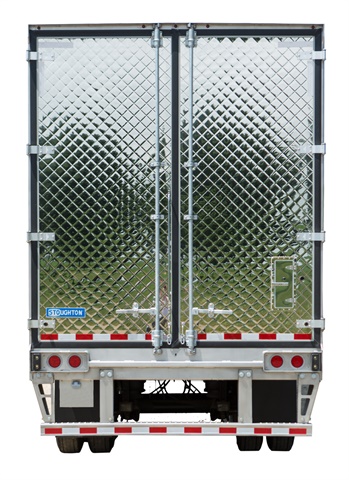
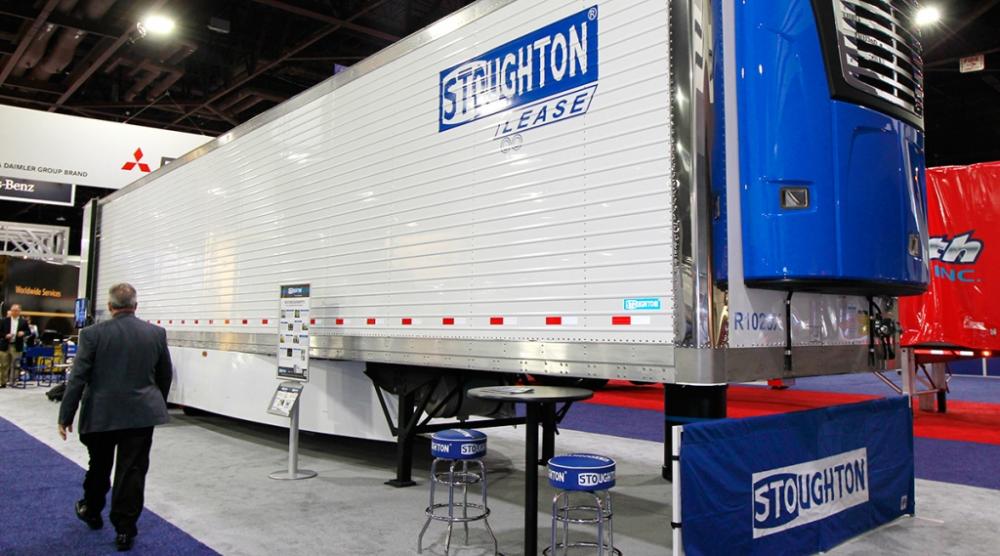
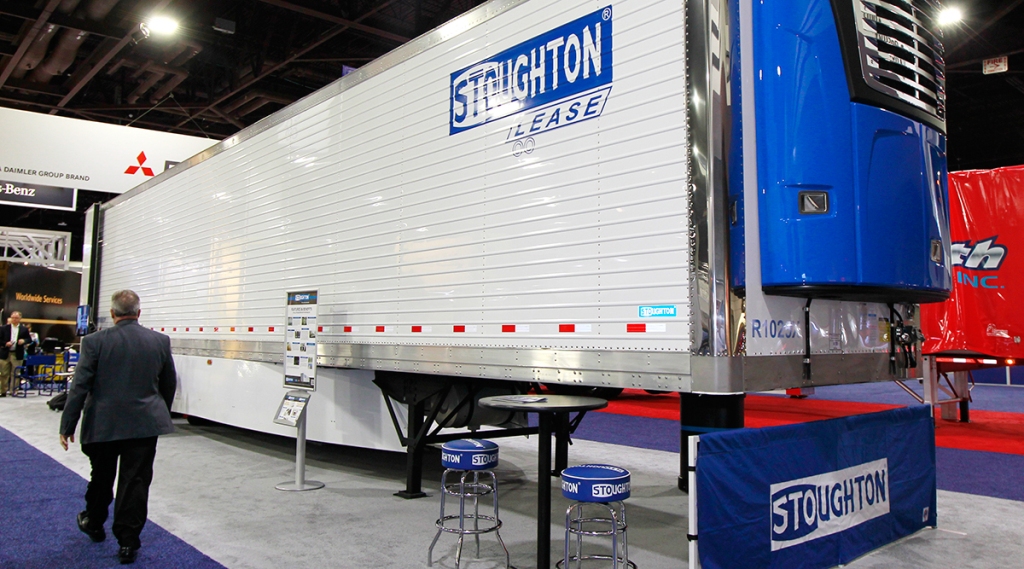
Stoughton Adds PureBlue Refrigerated Trailer to Product Lineup Heavy Duty Trucking (HDT) / September 27, 2017 ATLANTA — Stoughton Trailers, as part of its effort to offer a complete product line to customers, introduced a refrigerated trailer line – PureBlue. This gives Stoughton a full line of trailers, including dry van, grain, livestock, intermodal chassis, and now refrigerated trailer that debuted at the North American Commercial Vehicle Show. The company spent two years developing the trailer, using proven components, customer input, and thorough testing, Stoughton officials told reporters that PureBlue's innovative design and attention to detail provide lightweight trailers without sacrificing strength, with features that help maintain more consistent temperatures, reduce maintenance, and improve safety. An aluminum scuff and integral composite scuff liner help prevent damage while loading and unloading the trailer. The sidewall and scuff have no rivets that loads can snag and tear out. Stoughton is providing a heavy-duty non-skid duct floor as the preferred floor in the new refrigerated trailer. This durable floor provides optimum support to loads even in high-use areas. The fully enclosed floor design has a knurled edge top surface for skid resistance. There is no wood in the entire structure, which extends the life of the trailer. Stoughton offers several additional optional floors. The 5.25-inch extruded aluminum cross members in the bay area provide a strong yet lightweight floor substructure, and steel cross members are an available option. Stoughton has included several design elements to protect the trailer against air loss and to keep out water. The platen foamed sides and roof ensure that the trailer is fully insulated in 360 degrees with no voids or uneven areas to further increase its thermal efficiency. In addition, Stoughton designed a composite mounting box for the refrigeration unit to help keep the heat of the reefer’s diesel engine from penetrating into the trailer. Stoughton’s composite rear door design optimizes thermal efficiency plus it reduces weight, providing a lightweight, strong, thermally efficient rear door. The bonded side posts in the new refrigerated trailer reduce the number of holes in the sidewalls to further aid in preventing moisture intrusion, in addition to offering a smooth side ideal for graphic applications. Like Stoughton dry van trailers, the PureBlue refrigerated trailer comes standard with the new, stronger, rear underride guard at no additional cost or weight. This is actually not Stoughton’s first time getting into the refrigerated trailer business, noted company officials in response to a question about why European-technology trailer materials are not used. In the ‘90s, it teamed up with Alcoa for Stoughton Composites, which “was probably the closest product into this market that used European sandwich panels,” says Stoughton’s Todd Eicher, Manager - Product Engineering R&D. “But it was unique in a way that was more difficult for customers to repair because the repair methods were different.” With the PureBlue, “we’ve purposely endeavored to keep design familiar. So they'll be able to maintain it without having to retrain workforce or be bound to some exotic materials.” The new Stoughton PureBlue refrigerated trailer will be available in early 2018. .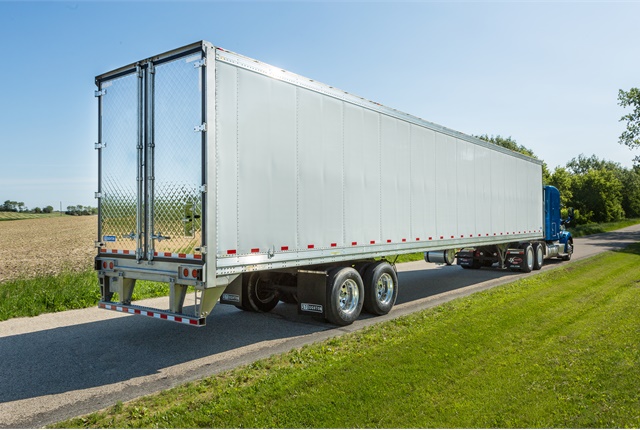
-
Meritor Announces New Products, New Brand and Redesigned Components
kscarbel2 replied to kscarbel2's topic in Trucking News
Meritor Offers Improved Version of Air Disc Brake Heavy Duty Trucking (HDT) / September 26, 2017 ATLANTA – Meritor announced its EX+ air disc brake for tractors and trailers has been optimized to reduce product weight and total cost of ownership. The optimized EX+ will be available to OEMs in 2018. "We're focused on product development to make air disc brake sytems more lightweight and cost effective," explained T.J. Reed, vice president, front drivetrain, North America, at the North American Commercial Vehicle Show. He pointed out that Meritor has been designing and manufacturing brakes for more than 100 years. "You may think of Meritor as a drivetrain or axle company, but ... we had first axle brake integration program right before World War I." Meritor engineers reduced the weight of the caliper by 10 pounds without offsetting any brake performance, Reed said. "We are so confident that we improved the warranty to 5 years/500,000 miles for linehaul applications." The gear-synchronized, twin-piston design of the new EX+ delivers even force across the brake pads simultaneously, resulting in better performance and uniform pad wear. The EX+ optimized ADB offers shorter and smoother stopping distances and reduced brake fade. A patented double-sealing technology minimizes water exposure to seal the EX+ for life. It simplifies pad service steps – including 30-minute pad changes – and lowers maintenance costs with faster inspection and repair times. "Fleets are beginning to see the benefits of air disc brakes, especially in safety and performance," said Chris Villavarayan, president, Americas for Meritor. "We have validated the EX+ in the most severe conditions to deliver superior performance and lower lifecycle costs." Reed also noted that Meritor air disc brakes are compatible with most collision mitigation systems currently on the market. Fleets can also specify drum brakes on rear axles and ADBs on the front. Meritor's improved standard warranty now offers coverage of five years and 500,000 miles for both parts and labor on linehaul applications when specified with Meritor's exclusive friction. Meritor brakes are backed by DriveForce™ – Meritor's North America sales and service organization – to assist customers before, during and after the sale. .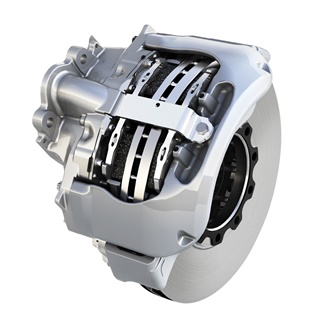
-
Meritor Announces New Products, New Brand and Redesigned Components
kscarbel2 replied to kscarbel2's topic in Trucking News
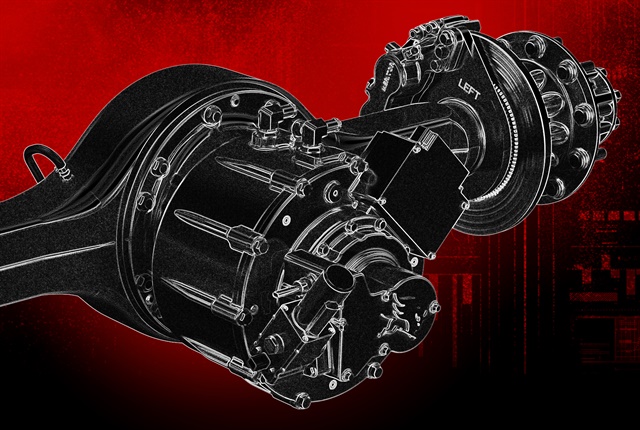
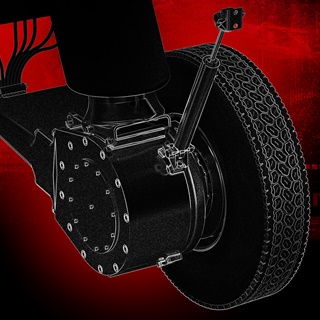
Meritor to Start Testing Electric Drivetrain Next Year Heavy Duty Trucking (HDT) / September 26, 2017 ATLANTA – As Meritor works to stay ahead in an industry facing the most rapid change CEO Jay Craig says he’s ever seen, the company announced it’s developing a new portfolio of electric drivetrains. Meritor announced at the North American Commercial Vehicle Show that it is developing a platform of electric drive axles and suspensions as well as supporting systems “to position Meritor as a leader in electric solutions for the commercial vehicle market.” It also announced an improved air disc brake and a new low-cost aftermarket brand. “You’re seeing part of the Renaissance of Meritor,” Craig said. About a year into its three-year M2019 plan focusing on revenue growth, the company continues to press forward with its goal to roll out at least 20 new products during that three-year time frame. “We're also committed to electrification,” Craig said. “We’ve had a lot of interest from OEs on how we can start to work with them to launch demonstrator and production vehicles as well. We have a product for every category of the commercial vehicle market,” he said, including trucks, buses, and delivery vans. “We offer the complete portfolio and our plan is to continue to be the drivetrains leader – no matter where the industry evolves.” The electric drivetrains address several trends in the industry, said Cheri Lantz, vice president and chief strategy officer: the increasing quest for efficiency, global emissions regulations, and the advancement of electrification as technology improves and battery costs come down. Essentially, Meritor is focusing on integrating an electric motor into the differential carrier. The flexible e-carrier design will be the foundation for various drivetrain configurations, including full electric, hybrid, single or tandem axles with various options based on application. Designed for city-delivery, medium-duty and transit bus, as well as off-road and severe-duty applications, the electrified, lightweight carrier offers several benefits over remote-mounted electric motor configurations. Meritor designed the e-carrier as a drop-in replacement of a conventional mechanical carrier that does not disrupt axle or suspension packaging. Because the electric motor is integrated into the axle, space is freed up for batteries and other electrical components, offering easier packaging and installation and a safer, more protected location inside the frame rails to mount the batteries. The design also eliminates cost and weight associated with a driveline and mounting a remote motor with brackets. The following near-term electrified product solutions are under development by Meritor: • Integrated two-speed electric carrier platform capable of delivering 150-200 kilowatts of continuous power for mounting on existing axle platforms, fitting a wide variety of applications on rigid and independent suspensions • 13Xe rigid axle, capable of 200 kilowatts of continuous power and featuring customizable gearing to cover linehaul, school bus, refuse, pickup and delivery, utility and other applications • Electric-driving independent suspension for applications such as military, emergency, off-highway and construction vehicles that will benefit from increased performance as well as better ride comfort and handling • Electric eCorner module for low-floor applications such as medium-duty Class 4 and 5 pickup and delivery vehicles and transit buses. Meritor says it’s taking an integrated approach to electrification, so it will also offer braking systems optimized for e-axles. The Next Generation Quadraulic brake and Next Generation Air Disc Brake have been designed for use on hybrid or electric vehicles with regenerative braking. “Both take advantage of the lighter duty cycle in an electric vehicle,” explained Lantz. “You have regenerative braking so you don't use the brakes as much, so we have been able to reduce wearable content and save cost and weight on the braking systems.” The components will be part of a demonstration vehicle to be built in 2018, with production beginning as early as 2019. .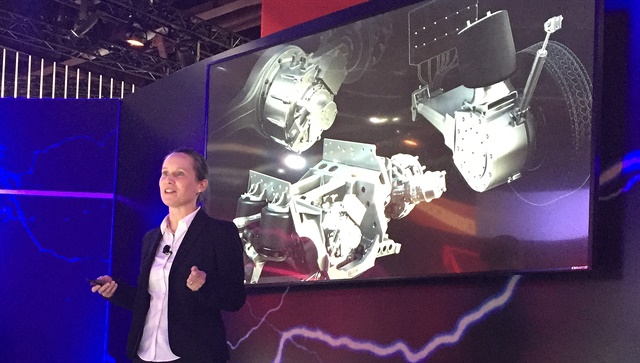
-
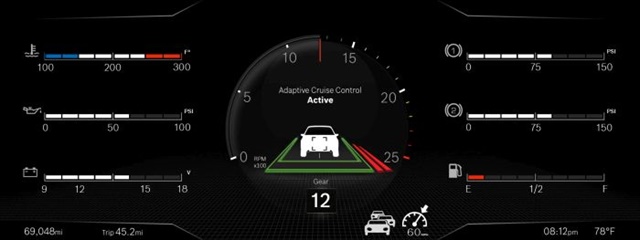
Bosch Demonstrates Automated, Connected Tech at NACV Heavy Duty Trucking (HDT) / September 27, 2017 ATLANTA — Bosch showcased its portfolio of commercial vehicle solutions at the North American Commercial Vehicle show in Atlanta, including automated, connected and electrified technologies aimed at improving safety, comfort, and efficiency. A demonstration truck will be on hand at the event to show future technologies, including those on the path to automated driving. “The commercial transport sector is rapidly evolving and Bosch is paving the way for the future,” said Jason Roycht, vice president of the Commercial Vehicle & Off-Road business unit in North America. “Our commercial vehicle systems include innovative technologies that make vehicles more electrified, efficient, connected and automated. This is made possible by features like real-time communication devices, advanced connectivity capabilities, and sophisticated powertrain options.” At NACV Bosch debuted its 15-inch freely programmable cluster, a display designed to be integrated with advanced driver assistance technologies. The 15-inch monitor comes in landscape and portrait orientations. The landscape version can be used as a dashboard solution while the portrait monitor can be connected to a camera system and used as a side mirror replacement. Another product is the Bosch Central Gateway, designed to enable secure connectivity in commercial vehicles. It is the central communication node that acts as a router for in-vehicle communication and through the connectivity control unit to the outside. It is the gate for all data coming into the vehicle and is secure through security functions such as firewall and intrusion detection. ETAS and ESCRYPT (both parts of the Bosch Group) provide the necessary transmission and encryption technologies that ensure functional safety and data security. Bosch showcased several future-focused powertrain concepts at NACV, including the eCity Truck diesel hybrid system for light commercial vehicles that uses an electric axle. The eAxle is a scalable, modular platform with the motor, power electronics, and transmission forming a single compact unit. To further reduce fuel consumption, the eCity Truck platform can also seamlessly integrate 48-volt technology. The Bosch boost recuperation system allows for the provision of 48-volt electrical accessories as well as energy recovery, and efficient functions such as start-stop. The company also announced that a team led by Bosch was awarded up to $5 million from the Energy Department to demonstrate a commercially viable, plug-in hybrid electric vehicle powertrain for medium-duty vehicles typically used in delivery vehicle fleets as part of the Medium-duty Urban Range Connected Extended Powertrain project. Lastly, Bosch added to its driver assistance technology portfolio with the latest generation of multi-purpose cameras. The MPC is a scalable, monocular camera platform for video-based driver assistance systems. The MPC integrates a wide range for driver assistance functions into vehicles using a single sensor. .
-
Accuride launches low-maintenance ROLLiant hub system from KIC
kscarbel2 replied to kscarbel2's topic in Trucking News
Accuride Introduces Hub Wheel End System Heavy Duty Trucking (HDT) / September 27, 2017 ATLANTA — Accuride Corp. introduced a new hub system for trucks and trailers on Wednesday at the North American Commercial Vehicle Show in Atlanta. The Rolliant system is from the wheel end component supplier KIC, which Accuride acquired earlier this year and is reportedly the first long-life, low maintenance hub system to come with a 10-year warranty for trailer applications and a seven-year warranty for trucks. The technology has been designed for North American commercial vehicle fleets seeking long-life hub performance, and truck and trailer OEMs who want to simplify wheel end installation and boost throughput during assembly, according to Accuride. “We think it’s a game changer, giving our customers a hub system for the life of their trailers,” said Neil McIrvin, vice president/OEM sales, trailer and municipal. He said the Rolliant system was developed in response to industry demand for a more affordable hub system that was easy to install and maintain and could last the life of both trucks and trailers. “Its patent-pending technology maintains tight wheel-bearing tolerances for safe, reliable performance and enables us to offer industry-leading warranties for truck and trailer applications,” said McIrvin. Proper wheel bearing adjustment is critical to achieving safe, reliable performance that enables long-life truck and trailer operation, according to Accuride. A deviation in adjustment, even the width of a human hair, can mean the difference between safe, reliable hub system performance and premature tire wear, wheel seal failure, and premature bearing failure. The Rolliant system’s extended bearing cone technology improves on existing precision bearing systems to keep wheel bearings in tight, consistent alignment. It works with both straight-spindle and tapered-spindle hub designs and does not need specialized spindle nuts or extra parts. Each hub is assembled with 100% endplay inspection and serialization for complete traceability and optimal bearing life. This allows the hub to deliver consistent, low-maintenance performance for the life of the vehicle, according to Accuride. .
-
Michelin Unveils New Dual-Position Drive Tire Heavy Duty Trucking (HDT) / September 27, 2017 ATLANTA — Michelin Truck Tires unveiled its newest dual-position drive tire for line-haul operations today at the North American Commerical Vehicle Show (NACV) in Atlanta. The new XDA Energy + tire is designed for fleets and owner-operators who are focused on fuel savings to reduce their operating costs. Adam Murphy, vice president of marketing for Michelin Americas Truck Tires, said the fuel savings generated by the new tire are driven by an innovative FuelSaver compound formula for ultra-low rolling resistance. The tire is compliant with SmartWay, California Air Resources Board, and can help fleets by being a significant contributor to Greenhouse Gas Phase II regulations and the tire supports fleet sustainability and green initiatives, Murphy added. Murphy says the tire’s design will also help fleets contain maintenance costs. The XDA Energy + features wide circumferential grooves for efficient water evacuation and grooved, angled walls to help resist stone retention that can lead to stone drilling that potentially damages the casing. The sidewall also features TW6 OzoneShield technology for increased protection against weathering. The tire features a durable Michelin casing capable of supporting multiple retreads while further reducing maintenance costs. Confident in the tire’s fuel-efficiency capability, Murphy said Michelin will offer a limited guarantee of $400 per truck in fuel savings. Fleets can contact their local Michelin representative to schedule a fuel evaluation of the XDA Energy+ versus a competitive product. “Helping fleets to increase their competitiveness in the market is our goal,” Murphy said. “One of the main levers fleets have to improve their competitiveness is improving their fuel efficiency, and tires like the new Michelin XDA Energy + can play a key role. With rolling resistance accounting for approximately 35 percent of the total fuel cost of a Class 8 truck, the Michelin XDA Energy + provides seven percent better rolling resistance than a leading competitor for unparalleled fuel savings.” .
-
Neil Abt, Fleet Owner / September 27, 2017 Company offers $400 fuel savings guarentee Michelin Americas Truck Tires has introduced its XDA Energy + dual drive-position tire for linehaul applications. The XDA Energy + is our “latest and greatest fuel solution,” Adam Murphy, vice president of marketing, said Sept. 27 during the North American Commercial Vehicle show. He said this is most suited for dry van truckload and refrigerated fleets. They can save a fleet $400 annual per truck in fuel compared with leading competitors, Murphy said, through better rolling resistance and the FuelSaver tread compound. Murphy said Michelin is offering a $400 fuel savings guarantee to customers to help promote the new tire, which comes at a higher price. Murphy said beyond fuel savings, the tire offers reduced maintenance costs through longer life, as well as the ability to keep the tire through multiple retread cycles. The tire will officially launch in the replacement and original equipment markets on Oct. 1. Michelin also announced it has added a 275/80R22.5 low-profile size of the Michelin X MultiTM D tire. It is aimed at regional fleet vehicles and can lower overall truck height, improve clearance issues, and help improve aerodynamics for fuel efficiency.
-
Neil Abt, Fleet Owner / September 27, 2017 ATLANTA. Allison Transmission on Sept. 27 announced plans for its first nine-speed model, a fully automatic transmission for Classes 3-7 vehicles aimed for release in 2020. “With this new transmission, Allison continues to demonstrate its commitment to help achieve standards regarding fuel efficiency and greenhouse gas emissions,” said Randy Kirk, senior vice president of product engineering and product teams. During a press conference at the North American Commercial Vehicle show, Kirk said the transmission can offer up to “10% or more”greater fuel economy when compared with other transmissions. The transmission is particularly suited for distribution trucks, lease trucks, and school buses, Kirk said. He added with the deep first gear ratio, the nine-speed transmission provides fuel savings as the gear train allows the torque converter to lock up early in first gear. Also, the transmission will include an engine stop-start system that provides immediate transmission engagement and vehicle hold while the engine is restarted. “When combined with FuelSense, our software and electronic controls packages, and our other fuel-saving technologies, the nine-speed will set a new benchmark in fuel efficiency and reduced emissions, achieving greenhouse gas emissions model benefits,” said Kirk. “Many OEMs in North America, Europe and Asia have expressed interest and excitement, with prototype evaluations beginning for them yet this year.” Allison said the transmission will be manufactured at its plant in Indianapolis. .
-
Stoughton Returns to Reefer Market With PureBlue Trailer
kscarbel2 replied to kscarbel2's topic in Trucking News
Stoughton unveils PureBlue refrigerated trailer Sean Kilcarr, Fleet Owner / September 27, 2017 New model will be available next year sometime in the beginning of the first quarter. ATLANTA. As part of a longer-term strategic growth initiative, Stoughton Trailers is rolling out a new refrigerated trailer model dubbed “PureBlue” to broaden its product line so it can make inroads with larger customers. “Large customers have mixed fleets of dry van and refrigerated trailers; you can’t bid for that business unless you have both. The two are tied together,” Ted Leroy, product manager for Stoughton, explained to Fleet Owner. Todd Eicher, Stoughton’s director of engineering, noted that PureBlue is designed to be a lightweight reefer trailer that doesn’t sacrifice strength while delivering more thermal efficiency and safety than competitive models currently on the road today. “Better thermal efficiency means less run time is required for the reefer unit; that saves fuel and thus cost,” he said. “But the biggest issue is to build a lightweight trailer with that efficiency within a design customers are used to; one that they will know how to repair with their current skills sets.” Eicher added that key features of the company’s new PureBlue refrigerated trailer include: An aluminum scuff and integral composite scuff liner to help prevent damage during loading and unloading; A sidewall and scuff designed with no rivets to prevent snags and tear outs. A heavy-duty duct floor designed with a knurled edge top surface for skid resistance. “There is no wood in this trailer,” Eicher stressed. “That helps extend its longevity.” The floor’s 5.25-inch extruded aluminum cross members in the bay area provide a strong yet lightweight floor substructure, with steel cross members an available option. The composite rear door is built with a triple wiper seal gasket to prevent water intrusion and minimize air loss to protect the interior of the trailer and cargo from the elements. The platen foamed sides and roof ensure that the trailer is fully insulated in 360 degrees with no voids or uneven areas to further increase its thermal efficiency. The bonded side posts in the new refrigerated trailer reduce the number of holes in the sidewalls to further aid in preventing moisture intrusion in addition to improving presentation for graphic applications. Like all Stoughton dry van models, PureBlue comes standard with a rear underride guard resists compartmental intrusion of an automobile when the location of impact is at 30% to 100% overlap of the width of the car to the guard – at no additional cost or weight. Stoughton added that it is planning to roll out a multi-temperature trailer model sometime in 2019. .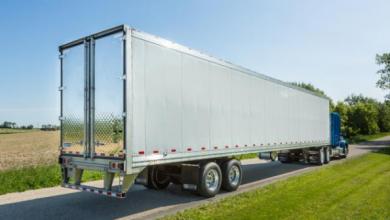
-
Transport Topics / September 26, 2017 ATLANTA — Stoughton Trailers has added a refrigerated model to its lineup, its first entry into the segment in years and a move that the company said completes its lineup. “This is a product that fills out our portfolio,” Ted Leroy, a product manager with Stoughton, said during a press conference at the North American Commercial Vehicle Show here to introduce the PureBlue refrigerated trailer. The reefer will join the company’s lineup of dry van, grain, livestock and intermodal trailers when it hits the market in the first quarter of 2018, the company said. The PureBlue is the company’s first foray into the refrigerated trailer market since 1999, the year that a joint venture with Alcoa on a reefer unit concluded. Stoughton believes that a combination of corporate strategy and business conditions make now an excellent time for it to re-enter the refrigerated market. “It is the right time for Stoughton to grow,” said Todd Eicher, director of engineering for Stoughton’s diversified trailer products division. “Stoughton has a very strong, well thought-out growth agenda, and fits right into it. The market segment is strong, and this is a good time to enter into it. That doesn’t mean that there’s not strong competition, but the market is strong, so we feel that it’s right.” Leroy noted that the new trailer gives Stoughton an opportunity to offer “a full fleet” to customers who operate both dry van and refrigerated trailers. The PureBlue is the result of two years of development, and has features that Stoughton said sets it apart in the marketplace. They include a triple wiper seal door gasket designed to prevent water intrusion and minimize air loss, and platen foamed sides and roof to ensure that the trailer is fully insulated 360 degrees to prevent voids or uneven areas to further increase thermal efficiency, it said. Bonded side posts reduce the number of holes in the sidewalls to further aid in preventing moisture intrusion, and can improve the surface for installing trailer graphics. The trailer also features an aluminum scuff and integral composite scuff liner to help prevent damage during loading and unloading, the company said. .
-
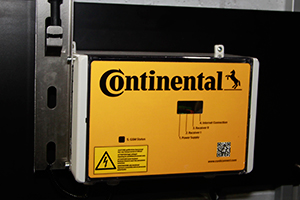
Transport Topics / September 26, 2017 ATLANTA — Continental Tire has introduced a system that checks inflation levels in a truck’s tires as it passes an external monitoring station, with data transmitted from sensors integrated into the tires that require no electronics to be installed on the truck, the company said. The system, called ContiConnect, is designed for “anybody who is coming and going through a terminal on a regular basis,” said Paul Williams, executive vice president for the company’s North American tire operations. This could include, he said, transit or school buses, dump trucks and more. Sensors installed in the inner lining of the tire measure tire temperature and inflation. Mounting the sensors in the tire rather than on the rim helps prevent false readings due to heat being generated by the truck’s braking system, Williams said. The system does not require a telematics system on the truck, he noted. As trucks enter a fleet yard, terminal or other location where the company’s “yard reader” data station is installed, the station picks up readings from the sensors and transmits them to the ContiConnect web portal via a cellular network. The data from there can be read by a maintenance manager or other company representative, who can take corrective action that might prevent a tire failure on the road, Williams said. The system issues low pressure alerts and tracks data over time, and permits users to view reports and analytics for all tires equipped with sensors. The platform also features customizable text and email notifications, so the fleet personnel can receive immediate alerts when low tire pressure or high tire temperature is recorded. “You have to get the data outside of the truck to someone who cares,” he said. Select tire models are available direct from the factory with sensors installed. Sensors can also be installed into a fleet’s existing tires, Continental said. The sensors can also be installed in retreads, Williams added. Continental also offers its ContiPressureCheck system for fleets interested in seeing real-time tire data via a telematics system. This system offers data integration with multiple telematics providers, including Zonar, which is majority owned by Continental, as well as PeopleNet. This integration allows tire data to be seen in both the providers’ in-cab displays and back-end portals, Continental said. .


BMT Forum Logo