



kscarbel2
-
Posts
19,159 -
Joined
-
Days Won
115
Content Type
Profiles
Forums
Gallery
Events
Blogs
BMT Wiki
Collections
Store
Everything posted by kscarbel2
-
Mack Valueliner
kscarbel2 replied to eddeere's topic in Antique and Classic Mack Trucks General Discussion
It's a Macungie-built Value-Liner (3-piece grille). That's an E6-350(R) 4-valve engine. The power passenger window (electric) is factory. It has an ST34 parabolic taperleaf rear suspension, ideal for a lightweight tractor, but wrong for a tipper. If the truck was originally red, it could have been an Amoco unit. The horn button will reveal. -
The DD16 still has turbocompounding. Look for it in the video at 0:22 The US market DD15TC was replaced by the DD15AI. With the second generation X-Pulse (aka. ACRS) common rail with pressures up to 2700 bar, they were able to remove the turbo compounding, which admittedly adds cost, complexity and weight. There's no reliability issue. --------------------------------------------------------------------------------------------------------------------------------------------------- New: the latest generation of the X-Pulse injection system. An important component of the new engine generation is the second generation of the X-Pulse injection system [aka. ACRS], the unique common rail system with pressure boosting in the injector and free modelling flexibility of the injection system. The maximum fuel pressure has been increased from 900 to 1,160 bar, resulting in a maximum injection pressure of 2,700 bar. The injection nozzle is an eight-hole nozzle (previously seven holes), increasing the maximum flow rate by around ten percent. Additional modifications include the piston bowl geometry, the sizeable increase in compression ratio from 17.3:1 to 18.3:1, along with a reduced exhaust gas recirculation rate (EGR rate). All these measures add up to a further improvement in efficiency across the entire engine performance map. This in turn lowers fuel consumption significantly. The optimum values in the consumption characteristic map have followed the new torque curve towards lower rev speeds. Systematically configuring the engine for low fuel consumption means that untreated NOx emissions rise. This is countered by the SCR technology featuring an innovative and efficient SCR catalytic converter. AdBlue consumption is therefore on a par with earlier Euro V engines at around five percent of fuel consumption. The cost balance is right: The up to three percent reduction in fuel consumption is countered only by a slight increase in the considerably lower-priced AdBlue for exhaust gas cleaning. In other words: For a yearly distance travelled of 130,000 km in long-distance transport and a consumption of approximately 28.5 litres/100 km on a challenging route, fully laden, every single Mercedes-Benz Actros with the second generation OM 471 (and OM472/DD15, OM473/DD16) engine saves approximately 1,100 litres of fuel per year and emits around three tonnes less CO2.
-
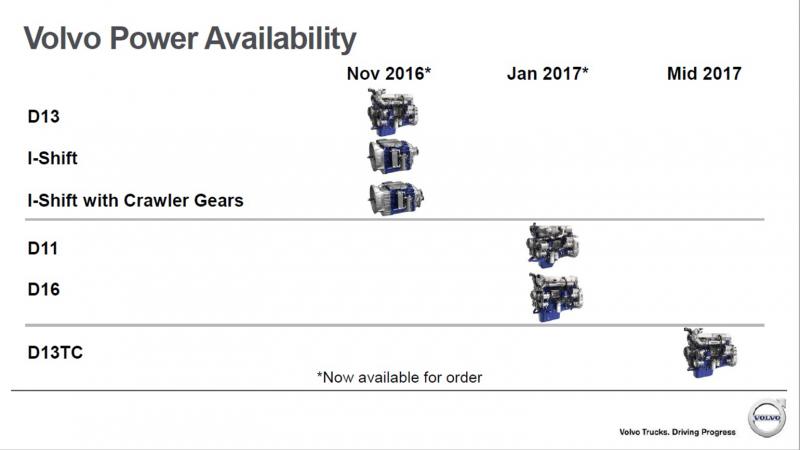
http://www.bigmacktrucks.com/topic/45838-volvo-trucks-north-america-press-conference-shippensburg-pa/#comment-337812 .
-
Commercial Motor TV - sponsored by DAF Trucks / July 8, 2016 .
-
Dagens Industri / July 8, 2016 Volvo is cancelling its alliance with Russia's state-owned UralVagonZavod. Volvo says the cooperation is finished. However, Russian state purchasing agent JSC Rosoboronexport does not exclude a restart in cooperation. Russia has ordered for 2,000 of the 8x8 Atom infantry fighting vehicles developed by Volvo Group subsidiary Renault Trucks Defense and UralVagonZavod. The Atom is a license-built version of Renault Trucks Defense’s 8x8 VBCI infantry fighting vehicle (http://www.renault-trucks-defense.eu/Defense/DRIVELINE-VBCI/VBCI). Related reading: http://www.bigmacktrucks.com/topic/34536-mack-military/ .
-
Ford Trucks Press Release / July 1, 2016 Ford’s exciting new Cargo heavy truck range is available with ZF’s advanced “Traxon” 12-speed dual-countershaft modular AMT transmission system. Eco Mode times each gear change for optimized fuel economy. In Power Mode, the transmission selects the most appropriate gear for maximum performance and enhanced climbing capability. Particularly suited in vocational operations, Rocking Mode allows the vehicle to be rocked back and forth when stuck. Quickly releasing the accelerator disengages the clutch, allowing the truck to roll back for a new attempt. . Ford Trucks and You – "Sharing the Load" At Ford Trucks, we’re serious about trucking. It's why we designed the new 2016 Cargo heavy truck range from the ground up to meet your needs and expectations. See your authorized Ford heavy truck dealer for details, or visit the global Ford heavy truck website at https://www.fordtrucks.com.tr/ .
-
Scania Group Press Release / July 8, 2016 A brand new smart watch for truck drivers caters to the well-being of both truck and driver. They are both integral components of the job – and without one, the other will be standing still by the side of the road. With essential truck and fleet management data covered in the app "Data Watch", the Scania version of the Apple watch puts equal focus on driver centric features with the "Watch Me" app. Many smart watches do general health and fitness tracking, but Scania supplements this with features specifically designed for jobs where long periods of sitting are combined with short bursts of heavy physical labor. And ways to keep the driver safe and healthy both in and outside the truck. - Injury prevention through active recovery - Increased alertness and cognitive ability through relax recovery - Fall detection and assistance for accidents while loading/unloading cargo. - Smart notifications for weather changes that may affect driving conditions. So from Scania, to professional drivers everywhere: Here's an even smarter smart watch. .
-
-
Heavy Duty Trucking / July 8, 2016 Ohio state agencies have teamed up to develop procedures for deaf or hearing-impaired Ohioans who qualify for a federal hearing-exemption waiver to train and test for obtaining a Commercial Driver’s License (CDL). While the process to obtain a hearing exemption waiver was instituted by the Federal Motor Carrier Safety Administration in 2013, the three state agencies-- Ohio Bureau of Motor Vehicles, Office of Criminal Justice Services and Opportunities for Ohioans with Disabilities-- contend that the Buckeye State is “leading the way as one of the first states to implement testing.” BMV, OCJS and OOD said on July 6 that they took the proactive step of developing the test procedures, which have been distributed to the hearing-impaired community as well as driver-training schools. Since implementing the new CDL testing process, the agencies have seen “immediate interest from individuals with hearing impairments wanting to learn more about pursuing a CDL.” At last report, over a dozen persons were in various phases of obtaining their waiver, training or testing, with at least two individuals successfully obtaining a CDL and securing employment as a commercial driver. OOD approached BMV to collaborate on the project as an outgrowth of the Governor’s Workforce Integration Task Force. Created by the General Assembly in 2014, WIT was charged with gathering and analyzing data to make recommendations to develop effective strategies aimed at helping Ohioans who are deaf or blind reach their highest employment potential. “This collaboration is another example of Ohio breaking down barriers to employment for individuals with disabilities,” said Kevin L. Miller, executive director of OOD. “It means jobs for Ohioans and an expanding workforce for Ohio employers.” “We are proud that this partnership has helped set standards and guidelines for CDL testing for the hearing impaired community in Ohio,” added BMV Registrar Don Petit. Calling truck-driving an “in-demand occupation” in the state, the agencies noted that, between April 2014 and May 2016, some 28,000 job openings with a CDL requirement were posted. The CDL testing is available to candidates 18 years and older holding a valid Ohio driver’s license. They must first secure an FMCSA hearing-exemption waiver and then a CDL Temporary Instruction Permit Identification Card. The TPIC is acquired by passing vision and knowledge testing. The CDL testing itself requires passing a three-part skills test within three hours. In addition, BMV and OOD are developing a video with American Sign Language (ASL) that explains the requirements and testing process. The video will be available through both the BMV and OOD websites this fall so that individuals, driving schools and employers, can learn about the testing and licensure process.
-
-
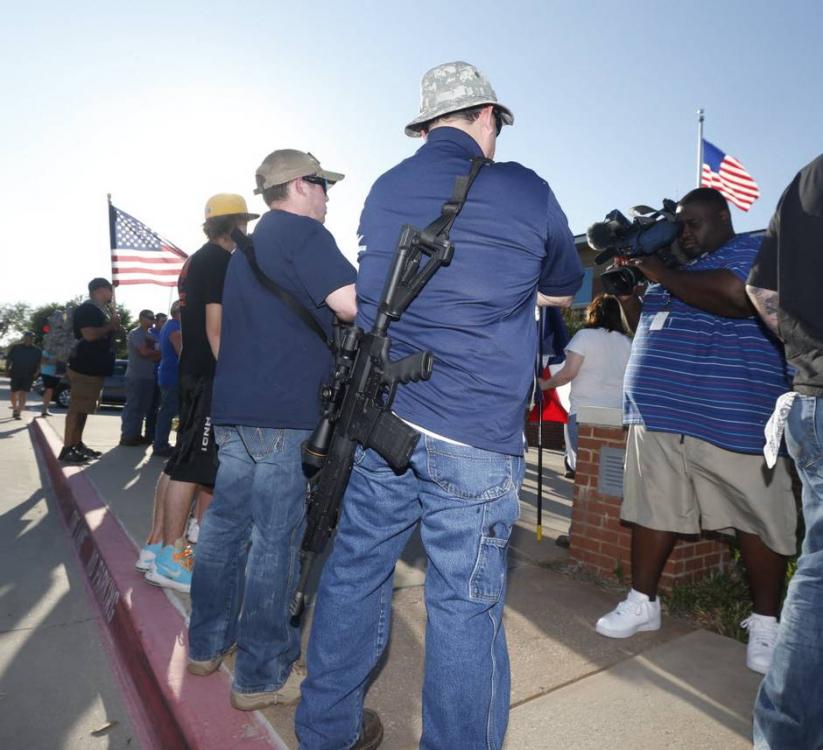
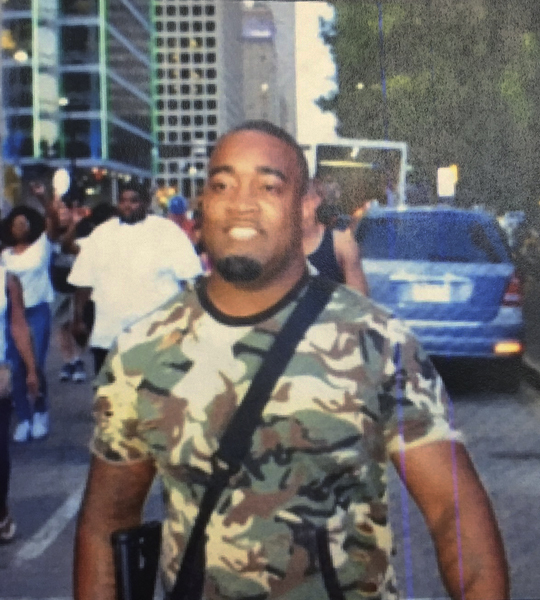
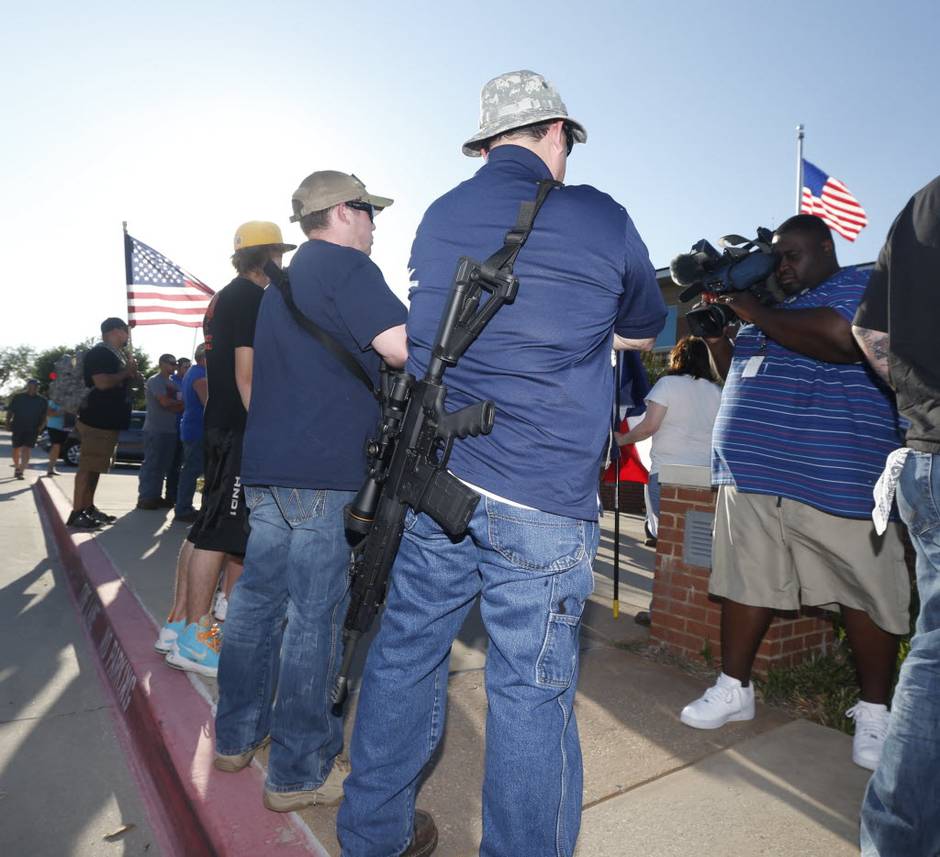
On Sunday, Dallas Mayor Mike Rawlings said marchers carrying weapons and dressed in body armor had distracted law enforcement from the actual gunman on Thursday. He said that other individuals carrying guns on the scene “took our eye off the ball for a moment”. “You can carry a rifle legally and when you have gunfire going on, you usually go with the person that’s got a gun,” he said. “And so our police grabbed some of those individuals, took them to police headquarters and worked it out and figured out that they were not the shooters. But that is one of the real issues with the gun rights issues that we face – that in the middle of a firefight, it’s hard [impossible] to pick out the good guys and the bad guys.” The Dallas shooting illustrated the way people who openly carry guns can hinder law enforcement responses to active shooter scenarios. Dallas police said up to 30 people were carrying rifles during a protest on the night that a man opened fire on police officers, complicating law enforcement’s attempts to identify the gunman. Not a single one of these people carrying firearms out there in (Dallas) Texas caught this guy in what he was doing. It drained law enforcement resources and subjected citizens to being unnecessarily taken into custody. We should all be very grateful that nobody else got hurt. -------------------------------------------------------------------------------------------------------- Why would a civilian in the United States ever need to carry an assault rifle in public? Unless they plan to use it? Or it makes them feel “bigger” Last time I checked, America had not (yet) become a lawless Somalia-like place. There's no just reason for fellow Americans to be carrying assault rifles around myself, my spouse and my children's families. .


-
"When there are 60 shootings in Chicago over the 4th of July and 14 murders and Black Lives Matter is nonexistent, and then there's one police murder of very questionable circumstances and we hear from Black Lives Matter, we wonder, do black lives matter or only the very few black lives that are killed by white policeman." Former New York City Mayor Rudy Giuliani .
-
The Wall Street Journal / July 8, 2016 Trucking companies cut payrolls by 6,300 jobs amid tepid shipping demand, excess capacity Transportation companies stayed out of the U.S. employment surge in June, as trucking and rail operators slashed thousands of jobs, the U.S. Labor Department said Friday. Trucking companies cut 6,300 jobs last month, the biggest month-to-month reduction so far this year in a business that has been scaling back capacity amid tepid demand and declining pricing leverage. Several of the nation’s largest carriers have warned of lower second-quarter profits while new heavy-duty truck orders have reached their lowest point in years. Freight rail operators, hit by steep declines in energy shipments, continued to cut jobs with 1,600 fewer jobs in June. Railroads have cut their employment rolls by 29,600 jobs in the past 12 months. Hiring by warehousing and storage companies remained strong, however, with 4,700 new jobs in June, extending steady growth for a total expansion of 54,600 jobs in the last year. Courier and messenger companies added 1,300 jobs in their fourth consecutive month of growth. Both sectors support e-commerce fulfillment and benefit from the continuing growth of online shopping. U.S. payrolls in total rose by 287,000 jobs in June, surpassing economists’ expectations and calming fears of an economic slowdown. Analysts say job gains across most other sectors may be a good sign for trucking companies, but not a great one because most new jobs were in the service sector. Employment in goods-producing industries increased by 9,000 jobs, the Labor Department’s Bureau of Labor Statistics said, after declining in May. The jobs report and other economic indicators give reason to be “cautiously optimistic,” said Rosalyn Wilson, founder and president of supply chain consultancy FreightMatters. But, she said, most gains “were in the service sector as opposed to being in manufacturing or construction,” and while consumer spending is up, hospitality and retail accounted for much of the growth. “As far as benefit to the transportation industry, I don’t see a lot going on that helps them,” Ms. Wilson said. The overall transportation and logistics sector lost 9,400 jobs from May to June, with trucking accounting for the steepest cutbacks. Transit and passenger ground transportation operators cut employment by 6,000 jobs. Manufacturers, which typically have a strong impact on trucking demand, grew by 14,000 jobs in June, while adjusted figures show 16,000 cuts a month earlier, reflecting recent growth in manufacturing activity. But the sector is still down 42,000 jobs since the beginning of the year, and 29,000 jobs since last June. “This month’s job figures come as a mild relief after May’s dismal numbers. But while the overall economy grew, manufacturing and import-sensitive sectors in particular are still lagging behind,” said Scott Paul, president of the Alliance for American Manufacturing industry group. “Steel and other industries in the manufacturing sector continue to feel the effects of global overcapacity, exports are being squeezed by the strong dollar, and last month’s Brexit will only increase these pressures,” he said.
-
“Americans of all races and all backgrounds are rightly outraged by the inexcusable attacks on police, whether it’s in Dallas or anyplace else.” President Barrack Obama ---------------------------------------------------------------------------------------------------- Any president would really have to say that. Still, with respect, I disagree. I don’t see any outrage in 99.9% of Americans, because they have become numb to the ocean of violence flooding our country. It was just the other week that an “individual’ killed 49 Americans (and/or illegal immigrants) and injured 53 others. But that was last week. It’s more or less all forgotten as we head into a new week. School killings? Commonplace now. No one pays attention anymore except the parents who have been robbed of their children. Government, or the unseen individuals behind it, are responsible for the management of the country. And frankly, they’re doing a pretty poor job.
-
We aim to please. Glad you're all set.
-
In the world of the former Mack Trucks, with a part numbering system never equaled, a suffix letter like "A" or "B" denotes an engineering improvement. It used to be "A" for years. Under Volvo, "B" might mean they made it "cheaper", though your price still went up.
-
Interstate 94 shutdown west of downtown St. Paul. 20 police officers were injured by protesters who detonated fireworks and flung rocks, concrete, rebar, molotov cocktails and glass bottles at them. .



-
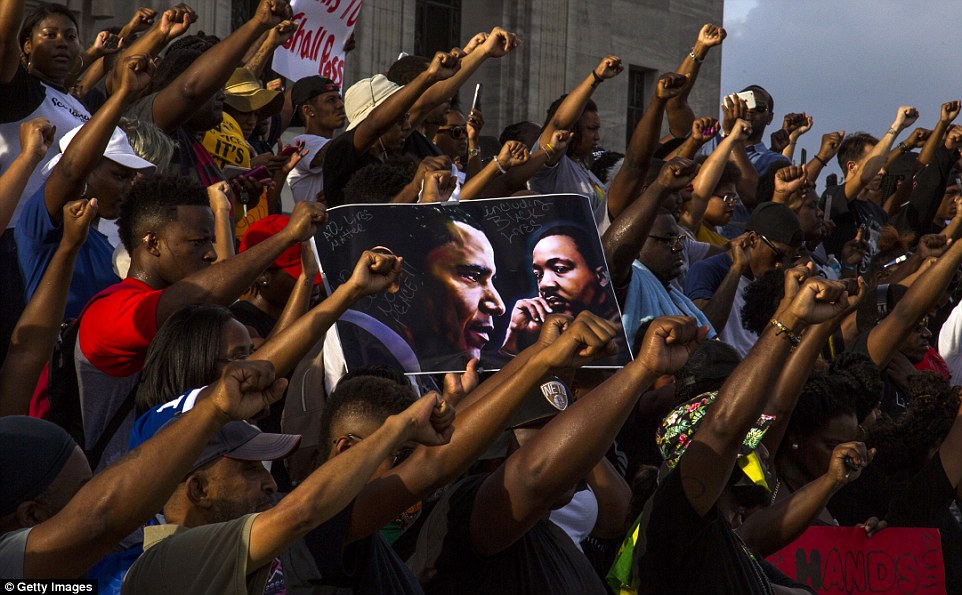
Baton Rouge "We just can't allow them to block the highway for the purpose of blocking the highway," said Baton Rouge Police Chief Carl Dabadie Jr., at a press conference Sunday to explain arrests. Overall, he said, the department has allowed the state police and sheriff's deputies to take the lead at protests "out of respect" to the community. "My officers are human. They are tired. They are scared," Dabadie said. .


-
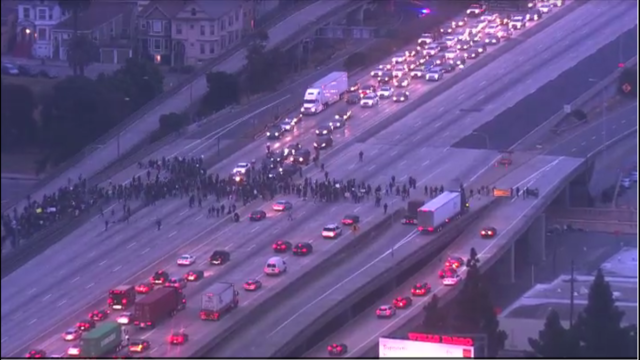
Protesters in Oakland block I-880 in both directions Protests started Thursday around 7 p.m. when a group of approximately 100 demonstrators gathered at Frank Ogawa Plaza, in response to the fatal police shootings of Alton Sterling in Louisiana and Philando Castile in Minnesota. The group quickly grew to about 2,000 people. As the demonstrators made their way toward 6th Street, a group of approximately 1,000 went onto the freeway and blocked traffic in both directions, police said. Police have reported vandalism to the Police Administration Building, including paint on the doors, scratches on glass and broken glass. There have been other incidents of vandalism reported including broken windows and graffiti at nearby businesses, and a Caltrans signboard was set on fire on the highway, police said. .
-
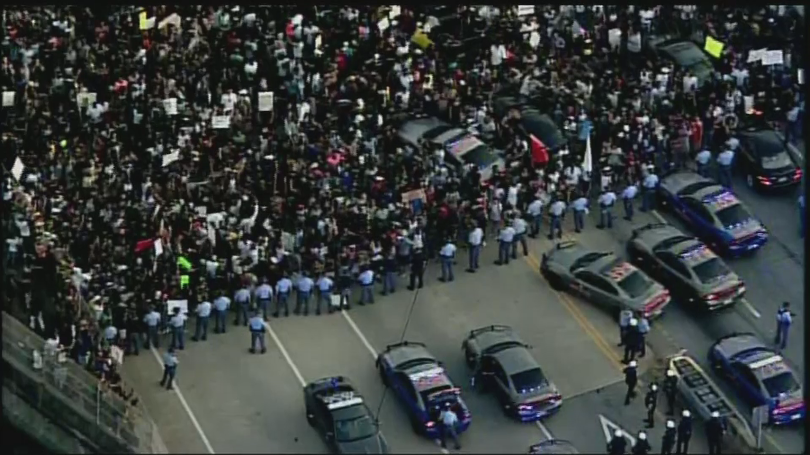
WRDW 12/Atlanta / July 8, 2016 Protesters in downtown Atlanta have blocked part of Interstate 75/85. An estimated 2,000 people are marching on a ramp to the interstate following a week of shooting across the country. Atlanta’s African-American Mayor, Mohammed Kasim Reed, tweeted a warning to protesters not to block the Connector. That tweet was ignored. Reed tweeted “If you enter the highway, you endanger your own life, the lives of innocent motorists & the lives of our officers. We are better than that,” Earlier, he tweeted: "Today we have had less than ten people arrested during what has been a peaceful protest. We urge anyone protesting not to enter the highway." .
-
Houston police shoot dead black man pointing a gun in street Reuters / July 9, 2016 Two Houston police officers fatally shot an African-American man who pointed a gun at them despite their commands that he lower his weapon, authorities said on Saturday, two days after five Dallas policemen were slain by a black military veteran. The two Houston officers, both Hispanic, encountered a man standing in the middle of a street with a revolver around 12:40 a.m. while on a routine patrol, police spokeswoman Jodi Silva said. The officers exited their patrol vehicle to speak to the man, who initially had the firearm pointed to the sky. The officers ordered him to lower the weapon, Silva said. "He instead deliberately and slowly lowers his arm and allows it to come to a stop at his waist," Silva said. "Now the gun is pointed directly at officers." Fearing for their safety and for nearby witnesses, both officers discharged their weapons, striking the man, she said. The suspect, who did not fire his gun, died at the scene. The incident unfolded after police came under fire in at least three states on Thursday and Friday, as protests over police use of force against black people escalated around the country. A police officer in Ballwin, Missouri, remained in critical condition on Saturday, a day after he was shot during a traffic stop, said St. Louis County Police. In Georgia, an officer was ambushed and shot on Friday, and in Tennessee a man grazed a police officer with a bullet on Thursday when he opened fire on a hotel and a highway, killing a woman and wounded several others.
-
Okay, your wife was given a [meaningless Volvo Group global part number] 20705740 teflon rear main seal, which is the same as the old "Mack" part number 446GC310P10. (That plastic band is not a wear band). But it sounds like you'd rather have a 57GC186A.
-
"People should and do trust me" - Hillary Clinton
kscarbel2 replied to kscarbel2's topic in Odds and Ends
In 11th hour bid for votes, Democrats embrace $15-an-hour minimum wage CNN / July 9, 2016 Democrats amended their party platform late Friday to call for a $15-an-hour federal minimum wage -- a victory for Bernie Sanders, who is fighting to push the party leftward before his expected endorsement of Hillary Clinton. The amendment calls for the change "over time" -- less specific language than Sanders had wanted, making it a concession for Clinton. But it is much more specific than the previous draft of the platform, which said Americans "should earn more than $15 an hour" but didn't mention the federal minimum wage specifically. The change came at the Democratic National Committee's platform meeting in Orlando. They're set to finalize the party's policy positions -- and attempt to bridge the gaps between Clinton and Sanders -- ahead of the Democrats' convention in Philadelphia later this month. The amendment calling for the $15-an-hour federal minimum wage was introduced by former Ohio State Senator Nina Turner, a Sanders supporter. "Raising the federal minimum wage sets the moral standard in this country that we as Democrats affirm over and over again that ensuring that we don't leave a sister or a brother behind is how we roll," Turner said. "Raising the federal minimum wage is the beginning of creating an America as good as it's promise." Mary Kay Henry, the international president of the Service Employees International Union, proposed adding language that included the phrase "over time." Both were adopted without a fight -- the product of hours of negotiations between the Clinton and Sanders camps at an Orlando hotel on the first day of the two-day meeting. The minimum wage language pushes Clinton left of the position she's taken on the campaign trail. She has supported a $12-an-hour federal minimum wage, as well as local efforts to set higher minimum wages in places like New York and California. Another big fight looms over the Trans-Pacific Partnership. Sanders' camp has pressed for language that would call for the 12-country trade deal to never receive a vote in Congress -- after a new president is sworn in or in a lame-duck session beforehand. That, though, would be a stinging rebuke of President Barack Obama, whose administration negotiated it. -
Did your wife receive a 446GC310P10 ? I assume you want the wide wear band seal kit, 57GC186A. The narrow wear band kit, 57GC187A, was for older crankshafts with an oil slinger.

BMT Forum Logo