


mrsmackpaul
-
Posts
7,050 -
Joined
-
Last visited
-
Days Won
90
6 Followers




About mrsmackpaul

Recent Profile Visitors
27,412 profile views




mrsmackpaul's Achievements






-
Good job Paul
-
 It will look a lot different once paint is on Paul
 -
My '48 Int. KB-7 (Sanford)
mrsmackpaul replied to Joey Mack's topic in Antique and Classic Mack Trucks General Discussion
The first gear I ever bought from the States was in the 90's I woke early and jumped on the phone at 5 am Spoke to them in Yanky land Ordered what I wanted Then went to town and wired the money across A couple of months later, it was like Christmas, a big box full of parts for a 292 6 cylinder Chev Paul -
My '48 Int. KB-7 (Sanford)
mrsmackpaul replied to Joey Mack's topic in Antique and Classic Mack Trucks General Discussion
Joey it shouldn't be getting hot at all, if it's getting hot enough to melt resin core solder you'll be damaging the windings insulation Heat is the enemy of electrical cables and the insulation that stops them shorting out So maybe the heating of the solder while in use isn't much of a concern Big battery leads and good clean terminals will stop most of the heating Of the battery cables are to small and heat up this will heat the stud and possibly melt the solder Paul -
Connecticut Construction Trucks
mrsmackpaul replied to BKrois's topic in Antique and Classic Mack Trucks General Discussion
A lot of the photos in this thread don't show up
-
Connecticut Construction Trucks
mrsmackpaul replied to BKrois's topic in Antique and Classic Mack Trucks General Discussion
Image doesn't show up for me Paul -
Gunna have a race go make it to the race Looks like it's coming together though Paul
-
I dunno if it will or won't, probably different frequency in Australia but it will look cool and be something to sit and stare at Paul
-
The lateset Superliner
mrsmackpaul replied to mrsmackpaul's topic in Modern Mack Truck General Discussion
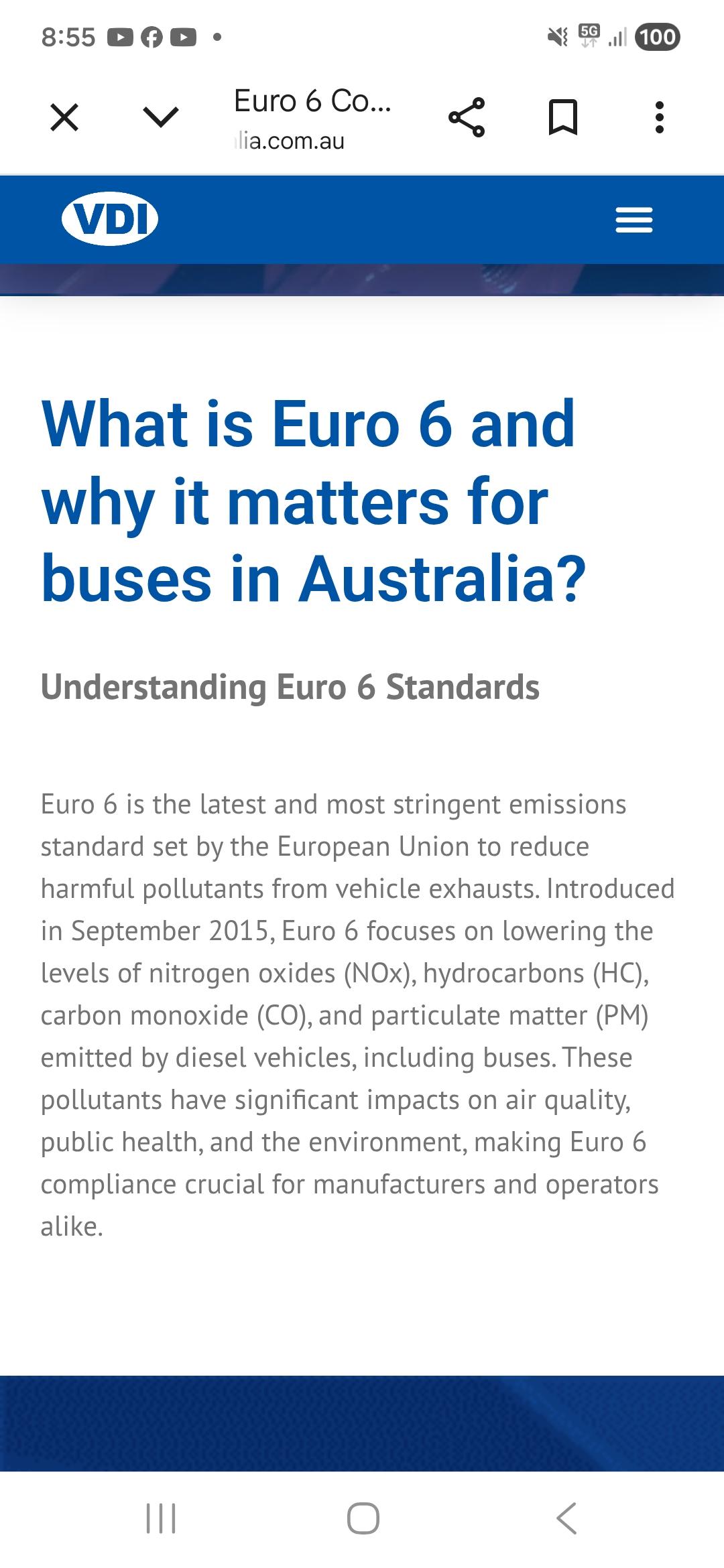
It's Euro 6 emission rating, what ever that means Apparently it is the most stringent rating at the moment Paul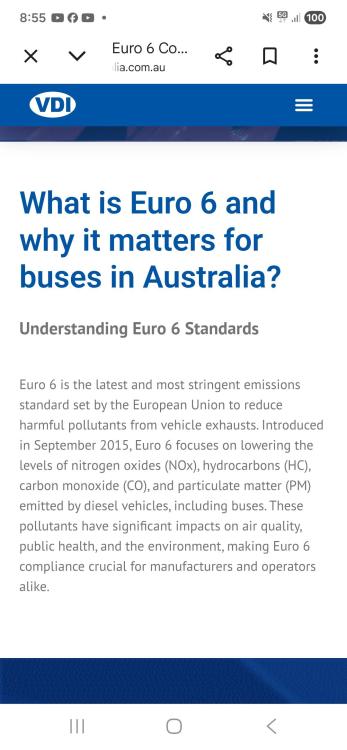
-
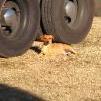
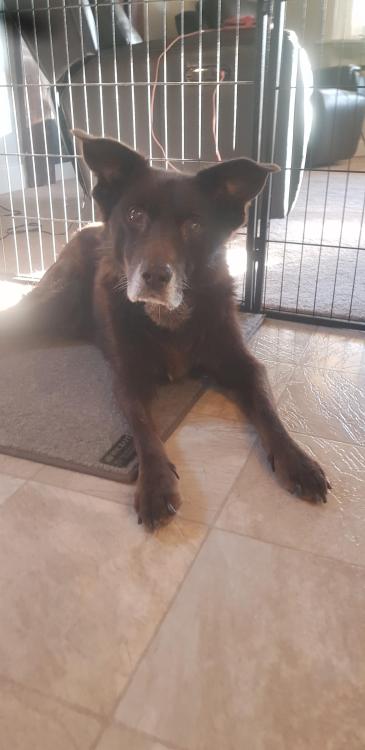
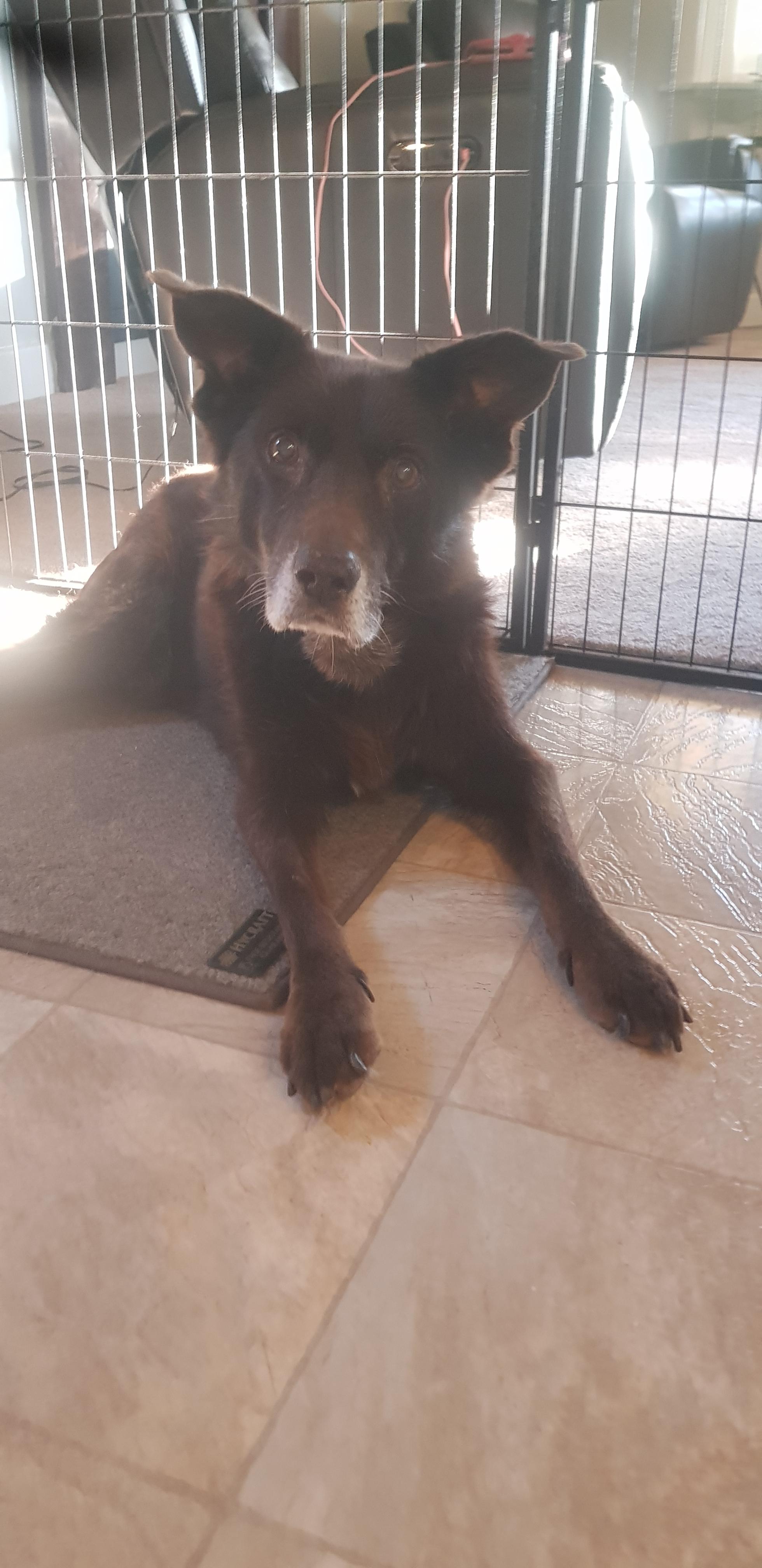
I had to plant Mums Kelpie about a month ago Had been baby sitting it for Mum for 12 months as Mums been having a issue with cancer Think it was harder telling Mum than sorting out the rest of it Poor old Penny was 16 years young A very old pooch, Miss Molly watches one side of the front yard and Penny the other They gotta keep a eye on proceedings Paul
-
The lateset Superliner
mrsmackpaul replied to mrsmackpaul's topic in Modern Mack Truck General Discussion
I dunno, we have only had the Anthem for a couple of years We tend to hang onto what we like in Australia a lot longer than most countries Is Australia and NewZealand the only countries to still have a COE Kenworth in the line up ? Even the Macks here a lot different than what I see in the U.S. Paul -
https://www.facebook.com/share/r/16zW4pvz3N/ https://bigrigs.com.au/2026/03/27/new-780hp-super-liner-with-70-inch-bunk-not-just-pretty-in-pink/ Paul
-
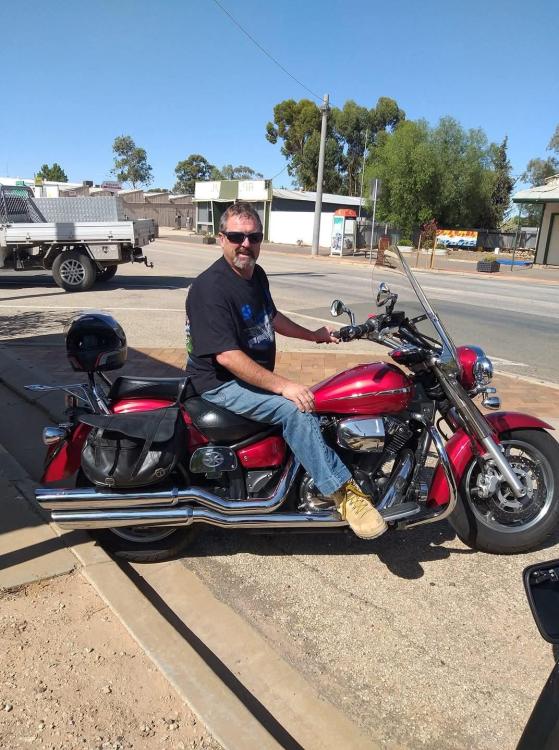
I was working with a crew maybe 6 or 7 years ago on construction Anyway a big crew, 130 electricians and the older blokes were still running rings around the young blokes Was stinking hot 115°f plus during the day so it was all night shift, still over 100°f at 3 in the morning Younger blokes were dropping like flies, who would of thought that "Red Bull" and the like doesn't work as well as water Old blokes are to tight and to smart to drink energy drinks Anyway Doecke's, once of the sparkies came up to me and said "your one of team, Team Sun Screen" What's Team Sun Screen I asked, yo which I was informed, we are SPF 50 + ha ha ha Old Doecke's popped his clogs not long after, bloody shame, he was a good bloke and funny bugger RIP Doecke's, certainly gave me a lot to laugh about over the years Paul
-
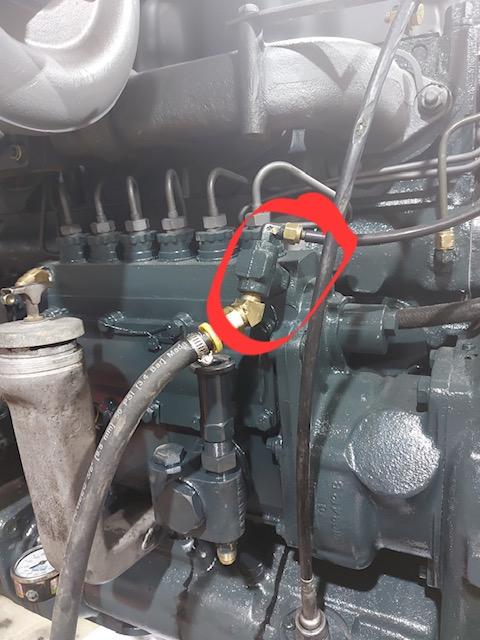
My 2 cents worth Are you sure everything in this department (Tee circled in red) is working correctly? If it isn't building pressure here properly then it maybe just leaking back to the tank to quick Apart from that useless information, carry-on Paul
-
Well done on the 37 years and how ever many you other blokes have Paul





BMT Forum Logo